Serengeti National Park
Home » Destinations » Tanzania » Serengeti National Park
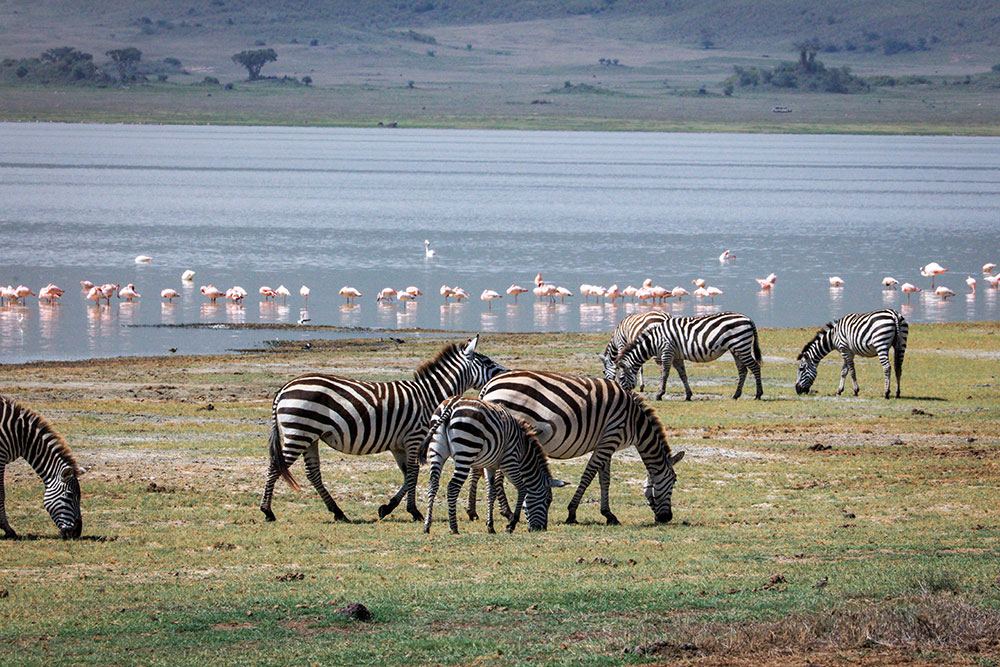
Serengeti National Park is Tanzania’s most famous wildlife area and one of the most celebrated parks on Earth. Drive onto its plains for the first time, and the land seems to go on forever. A sea of golden grass stretches to every horizon. Only flat-topped acacias and great piles of granite boulders, called kopjes, break the view.
Then the life appears. A cheetah watches from a termite mound, while a pride of lions rests in the shade of the rocks. At the right time of year, herds of wildebeest and zebras fill the landscape from end to end.
The park covers around 14,750 square kilometres in northern Tanzania. In fact, it is the heart of the Serengeti–Mara ecosystem, which continues across the border into Kenya’s Maasai Mara. It is also home to the Great Migration. More than 1.5 million wildebeest, together with hundreds of thousands of zebras and gazelles, travel in a vast circle through the ecosystem. They follow the rains in search of fresh grass.
Besides the herds, the Serengeti is one of the best places in Africa to see predators. It holds the largest lion population on the continent. In addition, you can find cheetahs, leopards, spotted hyenas and, in some areas, wild dogs, plus more than 500 bird species. As a result, the park has inspired filmmakers, scientists and travellers for generations. UNESCO also lists it as a World Heritage Site.
History of Serengeti National Park
People have lived in and around the Serengeti for a very long time. Nearby, at Olduvai Gorge in the Ngorongoro Conservation Area, archaeologists have found some of the oldest evidence of human ancestors. That is why many call the region a “cradle of humankind”. Later, the Maasai grazed their cattle across the plains, and their language gave the Serengeti its name.
In the early twentieth century, however, the area became a popular hunting ground, and lion numbers fell sharply. Protection began in parts of the area from 1940. Then, in 1951, the government created Serengeti National Park. In 1959, the Ngorongoro Conservation Area became a separate unit. As a result, the Maasai could keep living there with their cattle, while the Serengeti itself stayed a home for wildlife only.
In the late 1950s, the German zoologist Bernhard Grzimek and his son Michael flew over the plains in a small zebra-striped plane. Their aim was to count the animals and map the migration, so that the world would help protect it. Their work became the book and documentary Serengeti Shall Not Die, which won an Academy Award. Sadly, Michael died when his plane hit a vulture during the project. He lies on the rim of the Ngorongoro Crater, beneath a memorial that reads “He gave all he possessed for the wild animals of Africa, including his life.”
Wildlife in Serengeti National Park
Few places on Earth match the sheer number of animals here. First, there are the big cats. Lions rest on the kopjes and hunt across the open grass. Cheetahs use termite mounds as lookouts, and leopards drape themselves along the branches of sausage trees and acacias near the rivers.
Next come the grazers. Wildebeest, zebras, Thomson’s and Grant’s gazelles, topi and impalas spread across the plains. Meanwhile, giraffes browse the acacias, and elephants and buffaloes move through the woodlands. In the rivers, you will also see hippos and large Nile crocodiles.
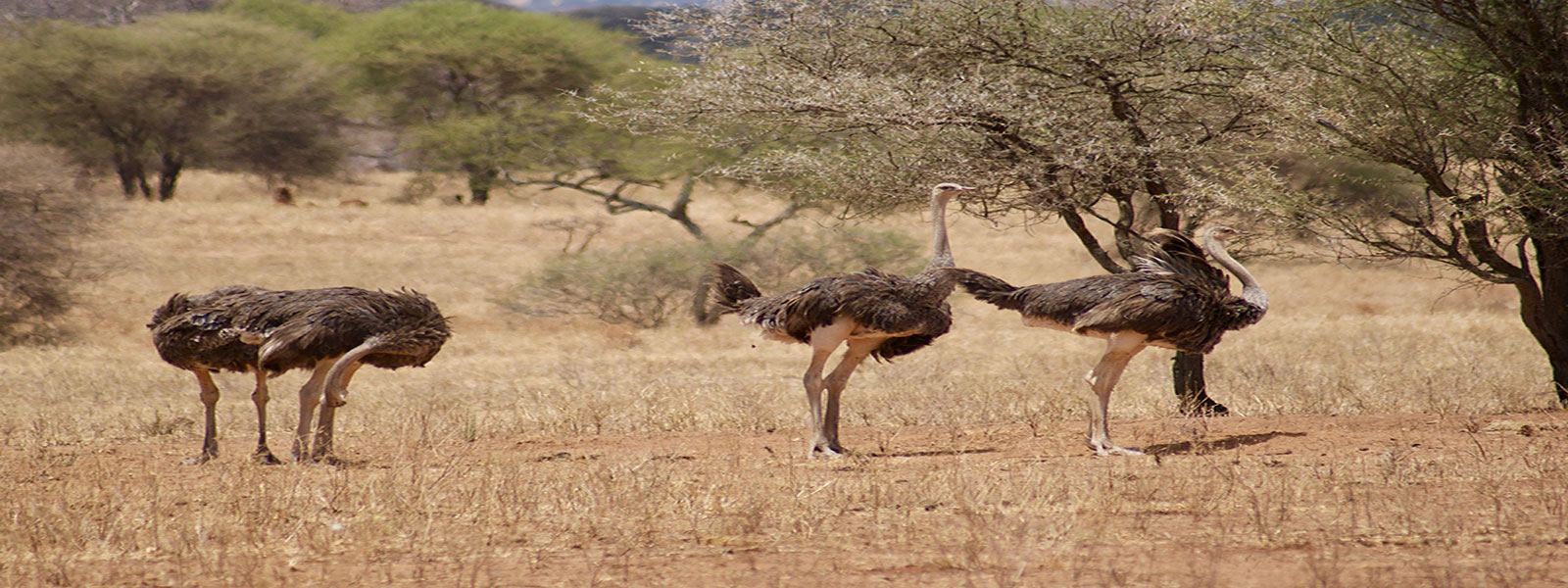
Spotted hyenas, jackals and vultures follow the herds, so you often watch the full cycle of life in a single game drive. Birders are well rewarded too. Look for ostriches, secretary birds, kori bustards and many colourful rollers, bee-eaters and starlings.
If you want to add rhinos to your list, the Ngorongoro Crater next door is one of the best places in Africa to find black rhinos. For this reason, most northern Tanzania trips combine the two.
The Great Migration through the year
The herds never stop moving, so where you stay matters as much as when you travel. The exact timing changes each year with the rains. Still, the general pattern looks like this.
- December to March: the herds graze the short-grass plains of the southern Serengeti and around Ndutu. Most calves are born here, usually around February. In turn, lions, cheetahs and hyenas gather to hunt.
- April and May: the long rains arrive, and the herds move through the centre and west of the park.
- June and July: the herds head north and west. Many cross the Grumeti River in the Western Corridor, where crocodiles wait.
- July to October: the herds reach the far north and cross the Mara River, often more than once. These crossings are the most dramatic scenes of the migration.
- November: after the short rains begin, the herds start to stream south again towards the fresh grass.
Because the migration crosses into Kenya, you can also follow it to the Maasai Mara National Reserve on a two-country trip.
Things to do in Serengeti National Park
Game drives
Game drives are the heart of every Serengeti safari. Morning drives start at sunrise, when predators are active and the light is golden. Afternoon drives head out as the heat eases. On the other hand, full-day drives with a picnic lunch let you reach distant areas, follow the migration and wait at rivers for crossings.
Hot-air balloon safari
Float silently over the plains at sunrise. From above, you watch herds, predators and rivers, and then you enjoy a bush breakfast where you land. Balloon flights run in several areas of the park, depending on the season, so book them well ahead.
Walking safaris
In selected areas, guided walks with an armed ranger let you experience the Serengeti on foot. You learn about tracks, plants and the smaller wonders of the bush. However, availability depends on the area and your camp.
Ngorongoro Crater and Olduvai Gorge
On the road between Arusha and the Serengeti, you can descend into the Ngorongoro Crater to look for black rhinos. In addition, you can visit Olduvai Gorge, one of the world’s most important sites for the study of human origins.
Best time to visit Serengeti National Park
The best time depends on what you want to see and which area you stay in. Thankfully, the weather is pleasant for most of the year. Days are generally around 24°C to 28°C, while mornings and evenings feel cool.
- June to October (dry season): short grass and thin bush make animals easy to spot. This is also the season for river crossings in the north, so it is the busiest time.
- December to March: the calving season in the south brings newborn wildebeest and plenty of predator action.
- April and May (long rains): the herds move through the centre and west. You enjoy lush landscapes, fewer visitors and lower rates. However, some camps close.
- November: the short rains usually fall as brief showers, and the plains turn green again.
In short, there is no bad month for wildlife here. Instead, the trick is to match your camp to the season.
How to get to Serengeti National Park
By air: scheduled and charter flights from Arusha and Kilimanjaro International Airport serve airstrips across the Serengeti. These include Seronera in the centre, Kogatende in the north, Ndutu in the south and Grumeti in the west. Flights take about one to two hours. As a result, you can land close to wherever the migration is.
By road: the drive from Arusha to central Serengeti takes around seven to eight hours. Along the way, you pass Lake Manyara and the Ngorongoro Highlands. Many safaris therefore break the journey with a night near Ngorongoro and a day in the crater. That way, the drive becomes part of the adventure.
Park entry fees are set by Tanzania National Parks and change from time to time. We will confirm the current rates when you enquire.
Plan your Serengeti safari with Roots
Most travellers combine the Serengeti with the Ngorongoro Crater, Tarangire’s elephant herds and Lake Manyara. For a short trip, our 3-day Serengeti and Ngorongoro safari covers the highlights. If you have more time, the 7-day Tanzania wildlife safari takes in the whole northern circuit.
Afterwards, you can unwind on the beaches of Zanzibar. To compare the other parks, see our guide to Tanzania national parks. Then tell us your dates, and we will build a tailor-made itinerary around the herds.
Not sure where to start? Chat with our safari specialists. We’ll help you find the perfect adventure.Every great journey begins with a conversation. Let’s plan yours.
Contact Us
- info@tourwithroots.com
- +256 776 83 1722
- +256 200 905 219
- Universal Apartments, Spine Road - Naalya - Kampala(U)