What to Pack for Gorilla Trekking
Home » Gorilla Trekking in Uganda » What to Pack for Gorilla Trekking
What to Pack for Gorilla Trekking in Uganda and Rwanda
Knowing what to pack for gorilla trekking makes a real difference to your day in the forest. On a game drive, you sit in a vehicle. On a gorilla trek, however, you walk through steep, wet rainforest, sometimes for an hour and sometimes for most of the day. The trails in Bwindi Impenetrable National Park, Mgahinga and Rwanda’s Volcanoes National Park climb between roughly 1,100 and 2,600 metres. As a result, mornings are cool, the undergrowth is thick and the mud can be ankle-deep after rain.
What you carry decides whether you spend your hour with the gorillas comfortable and focused, or wet, scratched and tired. This guide comes from years of preparing our guests for treks. It covers what genuinely matters and what you can leave at home.
What to Pack for Gorilla Trekking: Footwear First
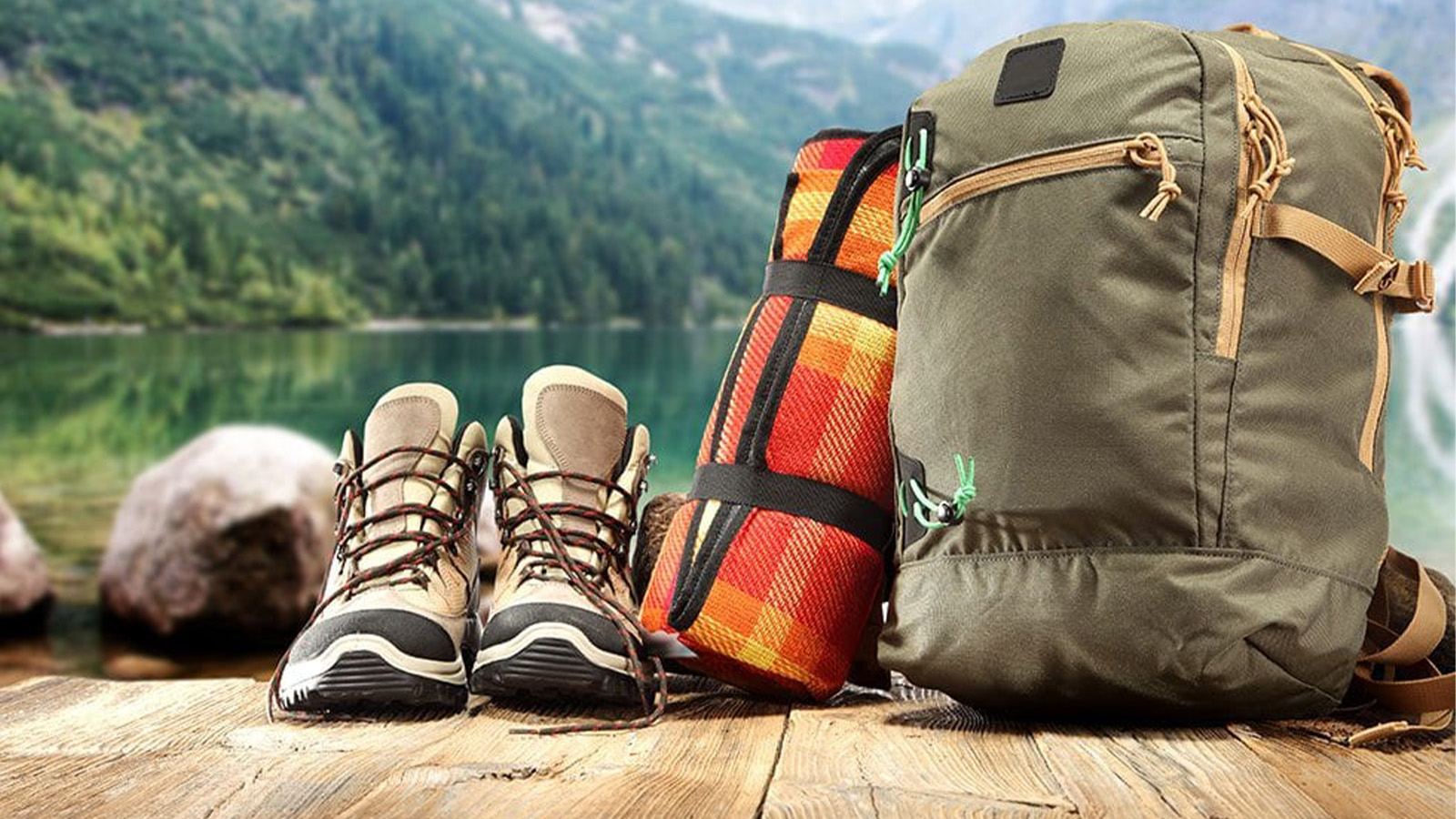
If you get one thing right, make it your boots. Choose waterproof hiking boots with good ankle support and a deep, grippy sole. They should already be broken in, because a new pair will rub on steep descents. Trail running shoes may be fine on a dry day, but on wet clay slopes they slide. Pack two or three pairs of thick hiking socks so you always have a dry pair the next morning, and bring light shoes or sandals to wear at the lodge in the evening.
Gaiters are worth the small space they take. They keep mud, water and safari ants out of your boots. If you don’t have gaiters, tuck your trousers into your socks before you set off. It doesn’t look stylish, but every guide does it for a reason.
Clothing for the Rainforest
Wear long trousers and a long-sleeved shirt on the trek, even if the day starts warm. You’ll push through nettles, thorny vines and bamboo, and long sleeves protect your skin as well as keeping insects off. Lightweight, quick-drying hiking fabrics work far better than jeans or cotton, which stay heavy once wet.
Layering is the key, because the temperature changes during the walk. Start with a breathable base layer, add a fleece or light sweater for the cold start, and keep a waterproof rain jacket in your daypack no matter what the forecast says. Rain can arrive suddenly in the forest, even in the dry season. Our guide to the seasons in gorilla country explains what weather to expect each month.
Stick to neutral, earthy colours such as khaki, olive, brown and grey. Bright colours and white stand out in the forest and show every mark of mud. It’s also wise to avoid military-style camouflage prints in Uganda and Rwanda, where they can be associated with the armed forces.
Gardening Gloves: The Item Most People Forget
A pair of tough gardening or work gloves will protect your hands from stinging nettles and thorns when you grab branches on steep sections. Most first-time trekkers don’t think of them, and most return wishing they had. They’re cheap, light and among the most useful things you’ll carry.
Daypack Essentials for the Trek
Carry a small, comfortable daypack of around 20 to 30 litres with a rain cover. Inside it you’ll want at least two litres of water, the packed lunch your lodge prepares, and a few energy snacks such as nuts or granola bars for the climb. Add sunscreen, insect repellent containing DEET, a hat, sunglasses, any personal medication and a small first aid kit with plasters and blister pads.
If you’re worried about carrying the bag on steep ground, hire a porter at the trailhead. Porters are local people, many from communities around the park, and they’ll carry your bag and help you up and down the slippery parts. The fee is modest, it puts money directly into the local community, and it often makes the difference between enjoying the trek and struggling through it. Rangers usually hand out walking sticks at the start, so you don’t need to bring one.
Camera Gear and Photography Tips
You’ll be about seven metres from the gorillas, so you don’t need a huge lens. A camera with a 70–200mm zoom, or a good smartphone, is enough. The forest is dark under the canopy, so a camera that handles low light well will give you sharper images. Flash photography is not allowed, so switch it off before you reach the group.
Bring spare batteries and memory cards, and keep them in a waterproof pouch or dry bag. You only get one hour with the family, and swapping a battery in the rain takes longer than you’d think. Some lodges near the parks run on solar power with limited charging, so a fully charged power bank is a good backup.
Binoculars are worth packing too. Bwindi Impenetrable National Park is one of Africa’s best birding sites, and you’ll see monkeys and forest birds on the walk in.
Health Items and Face Masks
Gorillas share about 98 per cent of our DNA and can catch human illnesses, including colds and flu. Pack a couple of surgical face masks, because rangers may ask you to wear one while you’re with the gorillas. You can read more about this in our trekking rules and fitness guide. If you’re sick on the morning of your trek, tell your guide, as you may not be allowed to go.
Talk to a travel doctor before you leave about malaria prevention and vaccinations. Uganda requires a yellow fever vaccination certificate on arrival. Rwanda asks for one if you arrive from a country with yellow fever risk, and that includes Uganda. Carry the certificate with your passport.
Travel Documents and Money
Keep your passport, visa (or East Africa Tourist Visa), yellow fever card, travel insurance details and a copy of your gorilla trekking permit together in a waterproof pouch. Your guide normally holds the permit itself, but a copy is useful.
Bring some cash in US dollars for tips, porter fees and souvenirs. Newer, clean US notes are best, because older or damaged bills are often refused in Uganda and Rwanda. Many lodges and businesses in Kampala and Kigali take cards, but villages and trailheads do not.
What to Pack for Gorilla Trekking by Air and in Rwanda
If your itinerary includes a domestic flight to Kisoro, Kihihi or another airstrip, as on a flying gorilla trip to Bwindi, check the luggage allowance before you pack. It’s usually around 15 kilograms in a soft-sided bag, and hard suitcases are often not accepted.
Rwanda has a strict ban on single-use plastic bags, and officials can confiscate them at the airport. Use fabric bags or reusable dry bags for wet clothes and toiletries instead.
Your Gorilla Trekking Packing Checklist
Before you leave the lodge on trekking day, run through this short list:
- Broken-in waterproof hiking boots, plus gaiters or long socks
- Long trousers and a long-sleeved shirt in neutral colours
- A fleece and a waterproof rain jacket
- Gardening gloves
- At least two litres of water, a packed lunch and snacks
- Sunscreen, insect repellent, a hat and any personal medication
- A camera with spare batteries, in a dry bag
- Two face masks
- Your passport and a copy of your permit
- US dollar cash for porters and tips
Let Roots Help You Prepare
Packing well is simple once you know what the forest is like. When you book with Roots, we send you a full kit list with your itinerary, and your guide checks your gear the night before. The Uganda Wildlife Authority issues gorilla permits in Uganda, and we secure yours for you. So tell us your dates, and we will plan a free tailor-made trip around your trek.