Planning Your Gorilla Habituation Experience
What Is Gorilla Habituation?
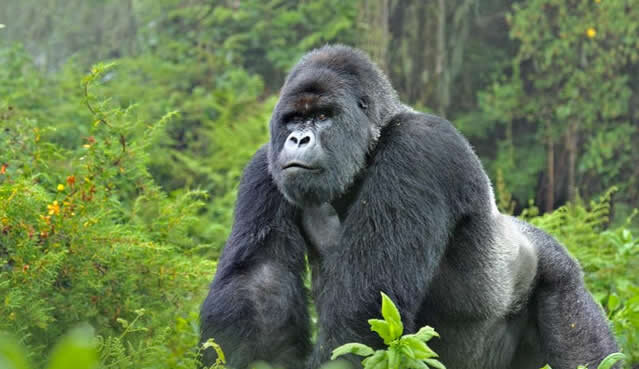
Mountain gorillas are naturally wary of people. Before tourists can visit a family, it has to go through habituation. In this slow process, the same small team of trackers and researchers visits the group almost every day. Over time, the gorillas stop fleeing or charging and simply carry on with their lives. The process usually takes two to three years, and not every family completes it.
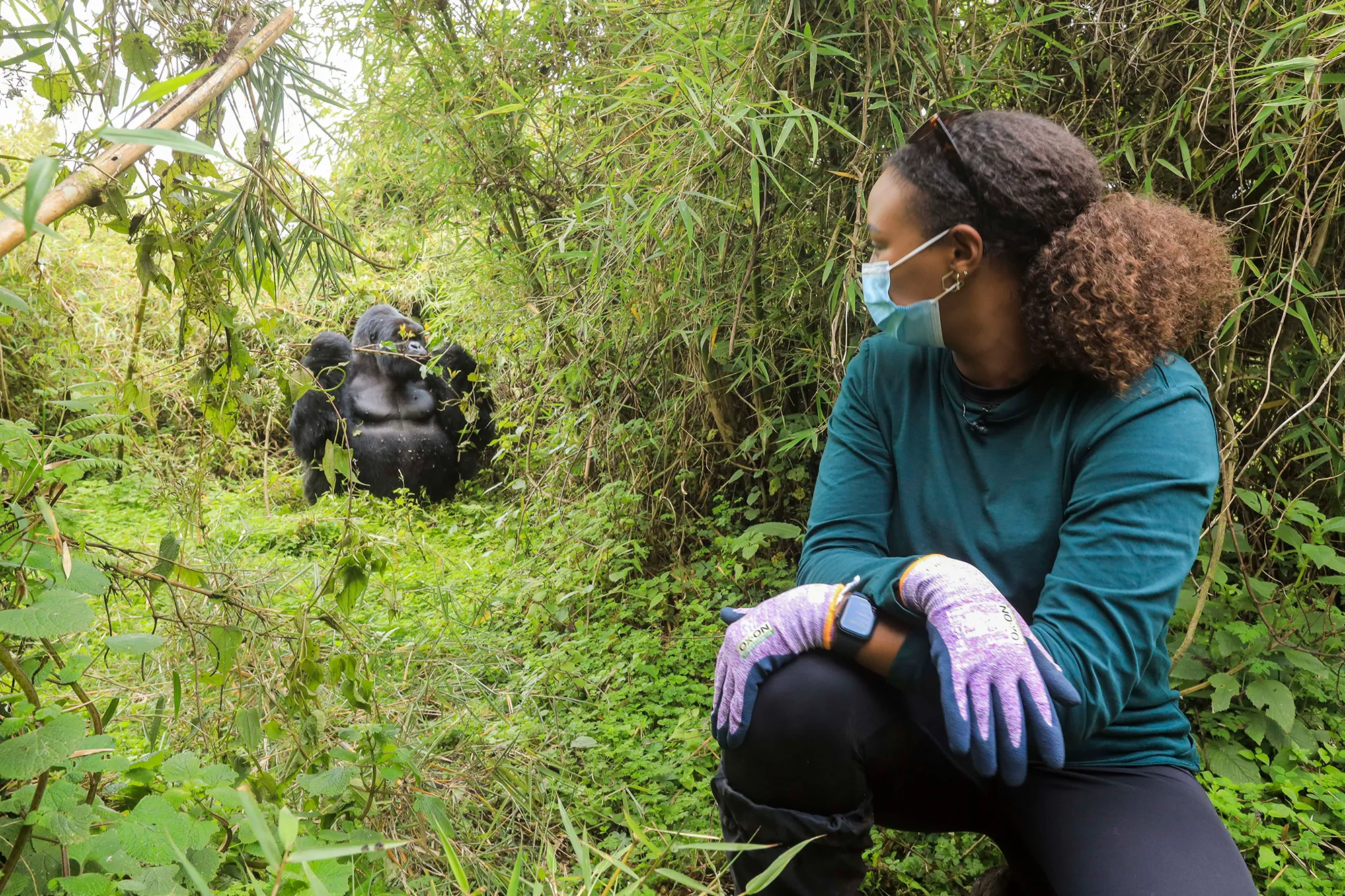
The gorilla habituation experience lets a few visitors join that work while it is still going on. As a result, the family you meet is not fully at ease with people yet. A young male might beat his chest at you. Meanwhile, a female might watch you closely before moving her infant, and the silverback decides how close is close enough. That mix of curiosity and caution is exactly why so many people who have done both say habituation was the more memorable day.
Where the Gorilla Habituation Experience Takes Place
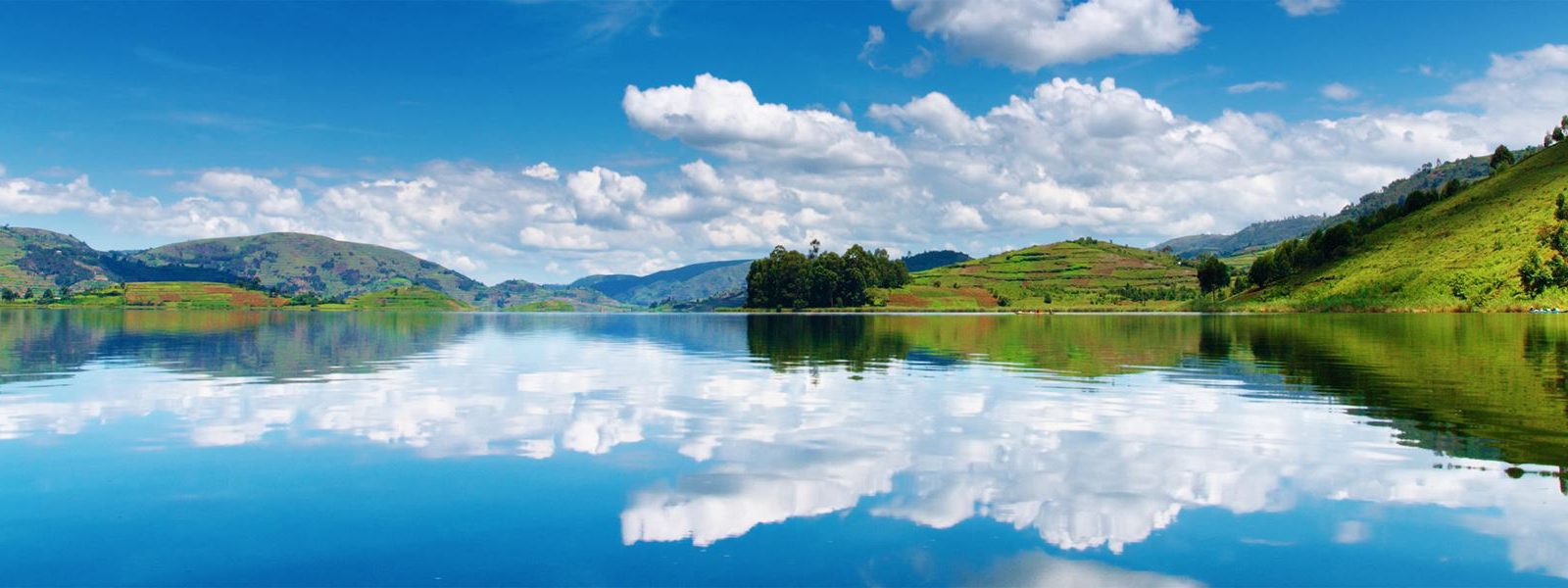
The experience runs in Bwindi Impenetrable National Park in south-western Uganda, mainly in the southern Rushaga sector. The Uganda Wildlife Authority decides which semi-habituated families are open to visitors, so we confirm the current groups when you book. Rushaga is the closest part of Bwindi to Kigali and only a short drive from Lake Bunyonyi. Therefore, it is easy to fit into a Uganda or Rwanda gorilla safari.
Rwanda and the Democratic Republic of Congo do not offer an equivalent experience. So, if habituation is on your list, Uganda is where you need to be.
Gorilla Habituation Permit: Cost and Booking
Permits are issued by the Uganda Wildlife Authority (UWA). The authority sets the price and changes it from time to time, with lower rates for foreign residents and East African citizens. For this reason, we will confirm the current rate when you enquire. The permit covers park entry, the ranger team and your four hours with the gorillas.
Only a few habituation permits are available each day. Consequently, they sell out faster than standard trekking permits, especially from June to September and December to February. We recommend booking four to six months ahead for peak months, and even earlier for a group. When you book with us, we secure the permit as soon as you confirm. Then we build the rest of your itinerary around that date. Read more in our guide to booking gorilla permits.
A Day on the Gorilla Habituation Experience
Early Briefing at Rushaga
The day starts at the Rushaga park office at around 7:30 a.m. First, the rangers brief you on safety, behaviour around the gorillas and what to expect from a family that is still being habituated. Then you are assigned to your group, with a maximum of four visitors per family.
Following the Trackers into the Forest
A team of trackers goes out at first light to the place where the family built its nests the night before. You follow them in, often off the main trails, through steep valleys, bamboo and thick undergrowth. Along the way, the trackers show you how they read the forest. For example, they point out broken stems, fresh dung, flattened plants and the night nests themselves. Finding the family can take one hour or several.
Four Hours with the Family
Once the gorillas are found, you get up to four hours with them instead of the usual one. That extra time changes the experience completely. You see the family wake up, feed, groom, rest and move on, rather than a short snapshot of one activity. In addition, you may watch the researchers note down behaviour or identify individuals by their nose prints. You may even see them respond calmly when a juvenile tests the visitors with a mock charge.
Back to the Lodge
Most groups are back at the park office by mid to late afternoon, depending on how far the family has moved. You receive a certificate, and the rest of the evening is yours. So, take time to rest, sort your photos and talk it over.
Rules and Fitness for the Gorilla Habituation Experience
Rules for Your Time with the Gorillas
The rangers explain the rules at the briefing, and following them protects both you and the gorillas. Keep at least 7 metres away from the family wherever possible, and let the rangers decide how close the group can move. Speak quietly and avoid sudden movements. Do not use flash photography, and do not eat or drink near the gorillas. Also, turn away and cover your mouth if you need to cough or sneeze.
If a gorilla charges, stay still, look down and follow the ranger’s instructions. Charges are almost always a bluff, and staying calm is the safest response. For the full list, see our page on gorilla trekking etiquette and fitness.
How Fit Do You Need to Be?
Habituation is a full day in steep, thick forest, often off the trails. For that reason, you should be comfortable walking for several hours on uneven ground. Good boots, gardening gloves and long sleeves help a lot. Our gorilla trekking packing list covers everything you need. Hiring a local porter is also a great idea, because it makes the day easier and supports the local community.
Combine Habituation with More of Uganda
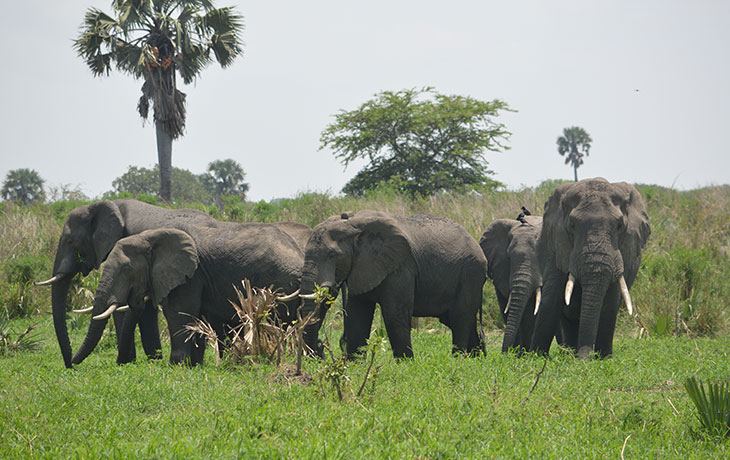
Most travellers add the gorilla habituation experience to a longer safari. For instance, you can relax at Lake Bunyonyi after your day in the forest, or head north for game drives in Queen Elizabeth National Park. Likewise, you can add chimpanzee trekking in Kibale on a combined gorilla and chimp trip. Tell us your dates, and we will check permit availability and send you a free tailor-made itinerary.