
Amboseli National Park
Home » Destinations » Kenya » Amboseli National Park
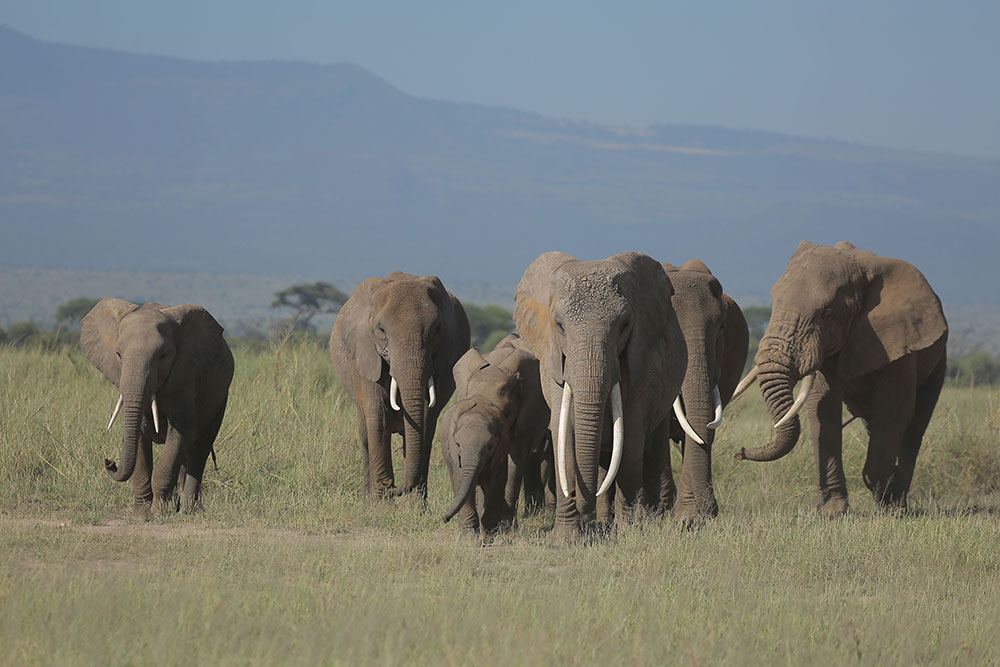
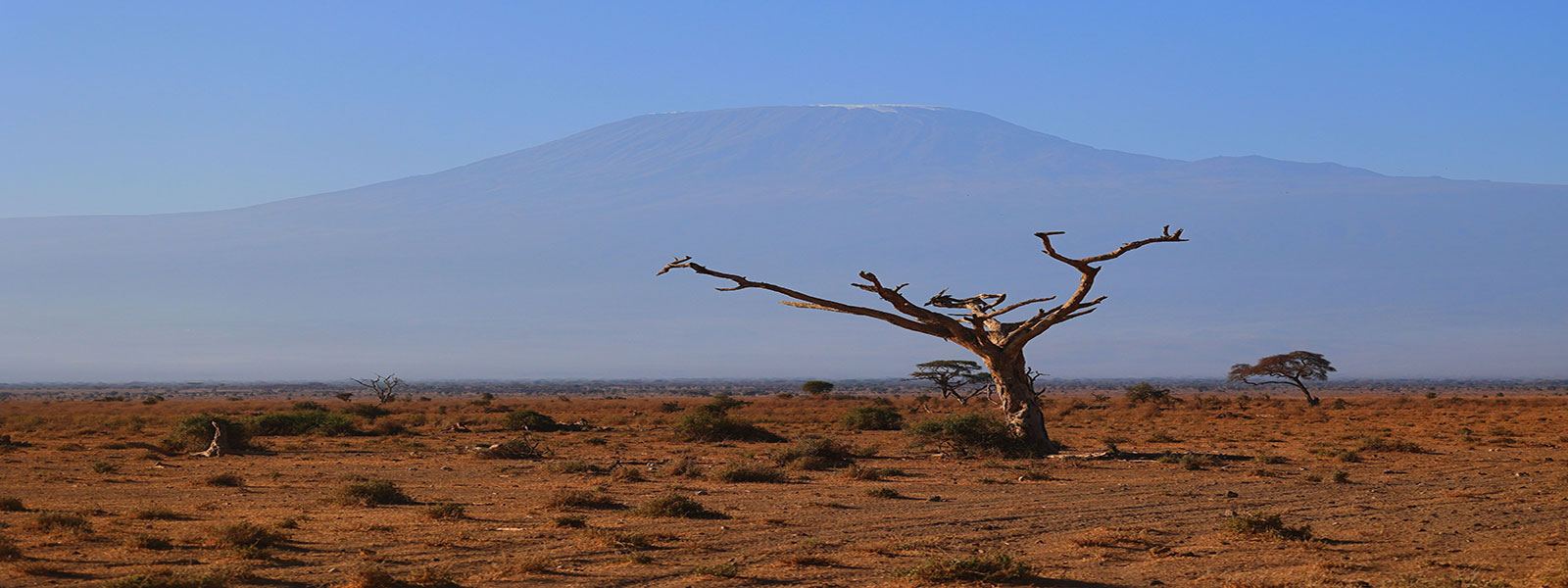
Amboseli National Park is where you see the classic African picture: elephants walking beneath Mount Kilimanjaro. As dawn breaks over southern Kenya, the clouds slowly lift. Then there it is, the snow-capped dome of Africa’s highest mountain, filling the sky. Below it, a family of elephants crosses the plain, dust rising around their feet. Seeing it for yourself is one of the great moments of any African safari.
The park covers around 392 square kilometres in Kajiado County, close to the border with Tanzania. It sits at the heart of a much larger ecosystem shared with Maasai communities. Although Kilimanjaro itself lies across the border in Tanzania, Amboseli has the best views of the mountain anywhere in the region.
However, Amboseli is more than one view. Its dry lake beds, open plains and green, spring-fed swamps support a wide range of wildlife. In addition, Maasai herders graze their cattle on the land around the park, and their culture is part of every visit.
History of Amboseli National Park
For centuries, the Amboseli basin has been home to the Maasai. They graze their cattle on its plains and use its swamps for water in the dry season. In 1883, the Scottish explorer Joseph Thomson became one of the first Europeans to cross the area. He described its dusty plains and the great mountain beyond.
In 1906, Amboseli was set aside as part of a reserve for the Maasai. It then became a game reserve in 1948. As tourism grew, however, conflict over land and wildlife increased. In 1974, the core area around the swamps was gazetted as a national park. Later, in 1991, the wider area was recognised as a UNESCO Biosphere Reserve. Today, the park works with the surrounding Maasai communities, whose land is vital for wildlife moving in and out.
The park is managed by the Kenya Wildlife Service, which also sets park entry fees. Roots will confirm the current rates when you enquire.
Amboseli elephants and other wildlife
Amboseli is famous for its elephants. They are some of the most studied and most relaxed elephants in Africa. In fact, it is one of the last places where you can see “big tuskers”, bulls whose tusks almost reach the ground. Bulls such as Tim, who died in 2020, became famous around the world. Consequently, protecting these rare giants is a major focus of conservation here.
In 1972, the American researcher Cynthia Moss began studying Amboseli’s elephants. Her work became the longest-running study of wild elephants in the world. Researchers have followed thousands of individuals over several generations, revealing their complex family lives, intelligence and emotions. One matriarch, Echo, became famous through books and documentaries before her death in 2009. The Amboseli Trust for Elephants carries on the work today. This long study is one reason the elephants are so calm around vehicles.
Beyond the elephants, you can also look for lions, cheetahs, hyenas, buffaloes, giraffes, zebras, wildebeest and hippos. Birdlife is rich too, with around 400 species. The swamps attract pelicans, herons, egrets and kingfishers, so bring binoculars.
Things to do in Amboseli National Park
Game drives
Game drives are the heart of any Amboseli safari. Morning drives start around sunrise, when the mountain is most likely to be clear and predators are active. Afternoon drives head out once the heat eases and end with sunset over the plains. Meanwhile, full-day drives with a picnic lunch let you reach quieter areas such as Kitirua and the Sinet Delta. Because the park is compact and open, sightings are frequent and close.
Elephant watching at the swamps
Spend unhurried time at Enkongo Narok or Longinye swamp. Switch off the engine and watch elephants feed, bathe and play. Late morning and early afternoon, when herds come in to cool off, can be especially rewarding.
Observation Hill
Climb the short path to the top of Observation Hill for a panoramic view over the swamps and plains. On clear days, you also see Kilimanjaro. Allow around 30 to 45 minutes, and scan for elephants and hippos below.
Maasai cultural visit
Visit a Maasai village for one to two hours. You learn about traditions, homes and daily life, and you can buy beadwork directly from its makers.
Scenic flights
When available, light-aircraft flights over Amboseli and towards Kilimanjaro give a breathtaking view of the swamps, herds and mountain from the air.
Best time to visit Amboseli National Park
Amboseli is generally warm and dry. Daytime temperatures are usually around 25°C to 30°C, with cooler nights. The main difference between seasons is rainfall, which also affects how often you see Kilimanjaro.
- June to October (long dry season): animals gather at the swamps, and game viewing is at its most reliable.
- January to February (short dry season): another good window, with green scenery and clear mornings.
- March to May (long rains): lush scenery and lower rates. On the other hand, Kilimanjaro is often hidden by cloud, and some tracks get muddy.
- November to December (short rains): brief showers, fresh grass and migrant birds.
Whatever the month, the mountain is usually clearest at dawn and late afternoon. So plan your photos for early and late in the day.
How to get to Amboseli National Park
Amboseli lies about 240 km southeast of Nairobi. The most common route follows the Nairobi–Mombasa highway to Emali. It then turns south on a tarmac road towards Kimana and Iremito gates. The drive takes around four to five hours with a stop. Alternatively, a route via Namanga, on the Tanzania border, enters through Meshanani Gate. Roots Tours & Travel provides transport from Nairobi, Jomo Kenyatta International Airport or your hotel.
If you are coming from Arusha or Moshi, you can cross the border at Namanga and continue to Amboseli. This makes it easy to combine the park with a Kilimanjaro climb or a northern Tanzania safari. You can also fly. Scheduled flights from Nairobi’s Wilson Airport reach the airstrip inside the park in about 45 minutes. In addition, charter flights link Amboseli with the Masai Mara, Tsavo and the coast.
Plan your Amboseli safari with Roots
Amboseli works well on a short trip or a longer circuit. For example, our 6 Days Magical Kenya Safari starts in Amboseli before heading to Lake Nakuru and the Mara. You can also add a few days in nearby Tsavo East and Tsavo West, or pair the elephants with the big cats of the Maasai Mara.
To compare all your options, read our guide to Kenya’s national parks and reserves. Then tell us your dates and interests, and we will send you a free, tailor-made itinerary.
Not sure where to start? Chat with our safari specialists. We’ll help you find the perfect adventure.Every great journey begins with a conversation. Let’s plan yours.
Contact Us
- info@tourwithroots.com
- +256 776 83 1722
- +256 200 905 219
- Universal Apartments, Spine Road - Naalya - Kampala(U)