
Tarangire National Park
Home » Destinations » Tanzania » Tarangire National Park
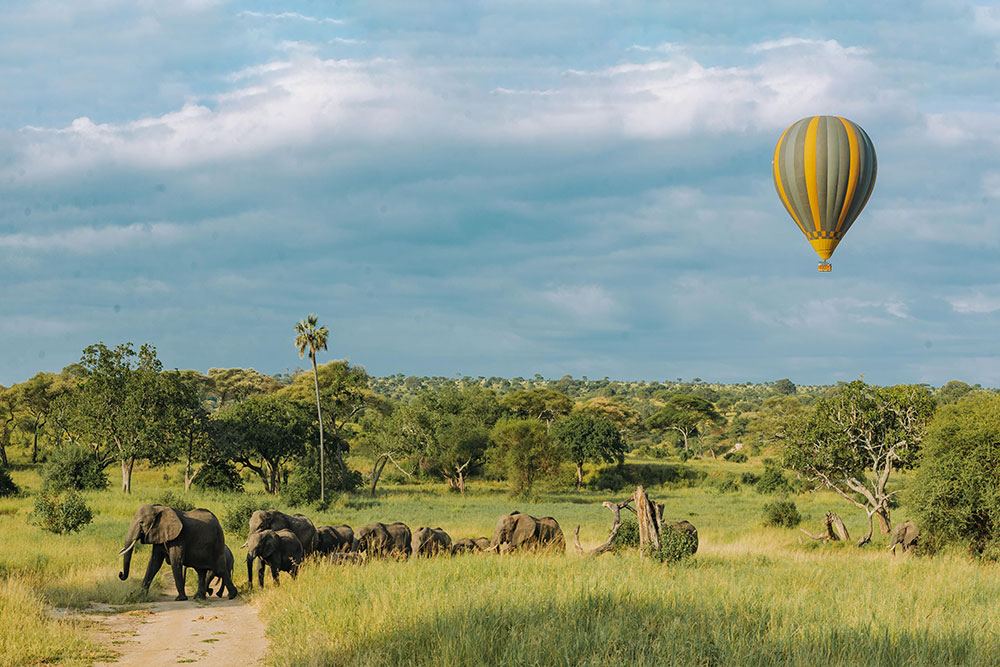
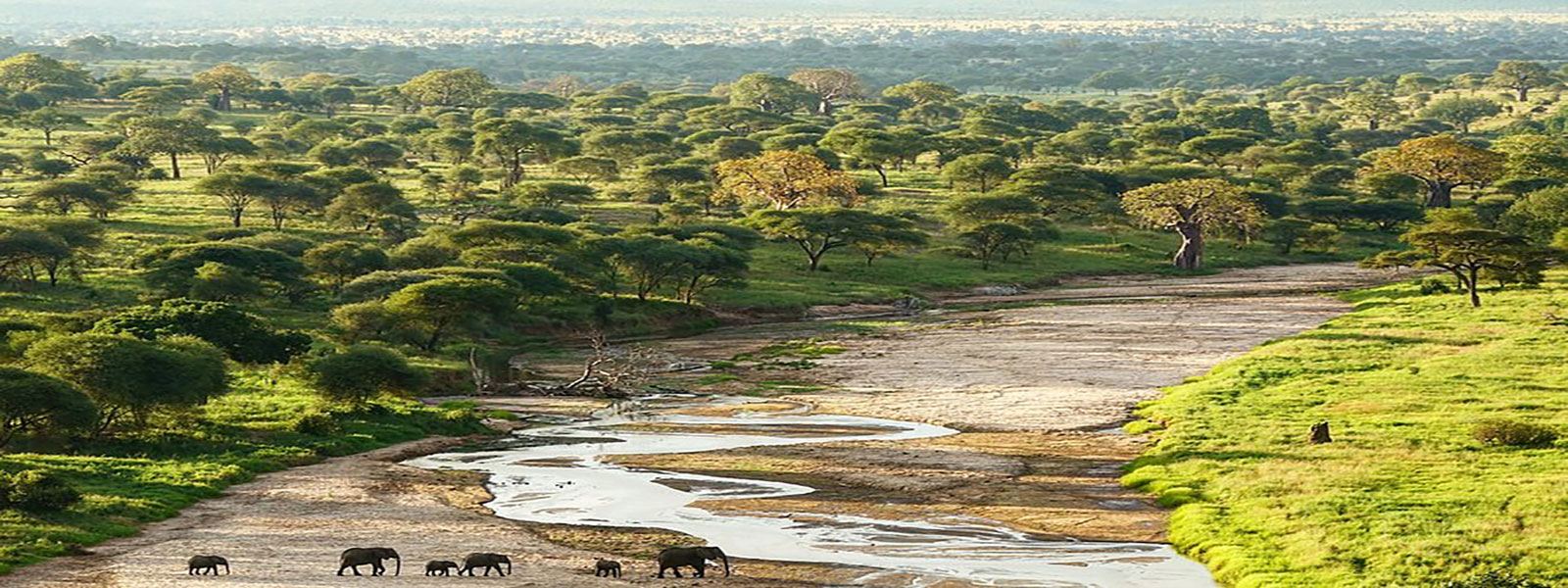
Tarangire National Park comes alive in the heat of the dry season. While the rest of northern Tanzania turns brown and dusty, a river keeps flowing through the park. And so the animals come. Elephants arrive in herds of a hundred or more, wading into the river and digging in its sandy bed for water. Zebras and wildebeest follow in long columns, along with buffaloes, giraffes, impalas and the lions that hunt them.
Above it all stand the baobabs. These huge, ancient trees have swollen trunks, and some are hundreds of years old. Together, they give the landscape a look unlike anywhere else in Africa.
The park covers around 2,850 square kilometres in the Manyara Region of northern Tanzania, about two hours’ drive from Arusha. It is the sixth-largest national park in Tanzania. Better still, it is one of the best places in Africa to see large herds of elephants. Its rolling savannah, acacia woodland, baobab-dotted hills and seasonal swamps support a wide range of wildlife. You can find everything from lions and leopards to rare dry-country antelopes, plus more than 550 bird species.
Tarangire is part of Tanzania’s famous northern safari circuit, together with the Serengeti, the Ngorongoro Crater and Lake Manyara. Yet it is often less crowded than its famous neighbours. In fact, many travellers say it was the surprise highlight of their safari.
History of Tarangire National Park
For centuries, the Tarangire area was grazing land for pastoralist communities, particularly the Maasai. They moved with their cattle to find water and grass. Hunters also used the area before it gained protection. Then, in 1970, Tarangire became a national park to protect the wildlife that depends on the Tarangire River in the dry season.
Today, the park is the heart of a much larger ecosystem. It stretches across the Maasai Steppe and the Simanjiro plains to the east. In the wet season, many zebras and wildebeest leave the park to graze on the fresh grass of the open plains, where they give birth. Later, as water dries up, they return to the park and the river. This local migration is smaller than the Serengeti’s. Even so, it is just as important for the survival of the herds.
Because so many animals move outside the park, the land around Tarangire is vital. Community wildlife management areas and conservancies next to the park, such as those around Lake Burunge, let local people benefit from tourism. At the same time, they protect wildlife corridors. These areas also allow activities that are not always possible inside the park, such as walking safaris and night drives.
Wildlife in Tarangire National Park
Elephants are the stars here. In the dry season, you may see hundreds in a single day, from tiny calves to old bulls with long tusks. Watch them dig for water in the riverbed, dust-bathe in red earth or strip bark from the baobabs.
However, the park offers far more than elephants. Lions are common, and leopards hide in the riverine trees. Meanwhile, cheetahs sometimes hunt on the open grasslands in the south. Large herds of buffaloes, zebras and wildebeest gather near water, while giraffes browse among the acacias.
Tarangire is also known for dry-country species that are hard to find elsewhere on the northern circuit. Look for fringe-eared oryx, gerenuk and lesser kudu in the drier areas. In addition, tree-climbing pythons and large termite mounds add interest on every drive.
Birders love the park too. With more than 550 species, it is excellent for yellow-collared lovebirds, ostriches, kori bustards and colourful barbets and hornbills. Then, in the wet season, migrant birds from Europe and Asia arrive and swell the numbers further.
Things to do in Tarangire National Park
Game drives
Game drives are the main way to explore. Morning and afternoon drives follow the river, where wildlife gathers. Alternatively, a full-day drive with a picnic lunch lets you reach the quieter swamps in the south.
Elephant watching on the river
Spend time along the Tarangire River and watch elephants drink, bathe, dig for water and cross between the banks. Simply park, switch off the engine and let the herds come to you.
Walking safaris
In selected areas, and in the community wildlife areas around the park, you can join guided walks with armed rangers. On foot, you discover tracks, termite mounds, baobabs and small wildlife up close.
Lake Manyara and Mto wa Mbu
Combine Tarangire with nearby Lake Manyara National Park and the lively village of Mto wa Mbu. There, cultural tours include village walks, banana beer and local food.
Kondoa rock art
For history lovers, the ancient rock paintings of the Kondoa area make a rewarding extension. This UNESCO World Heritage Site lies several hours south of Tarangire, so plan an extra day.
Best time to visit Tarangire National Park
You can visit the park at any time of year. Still, its character changes with the seasons.
- June to October (dry season): this is the best time. You see huge elephant herds and big concentrations of wildlife along the river, and the baobabs stand bare. As a result, it is also the busiest period.
- November to May (wet season): the park turns green, and many zebras and wildebeest move out onto the plains outside. On the plus side, birdlife is at its best, the scenery is lush and there are fewer vehicles.
Because the dry season is peak time for both Tarangire and the Serengeti, it pays to plan early for those months.
How to get to Tarangire National Park
By road: Tarangire lies about 120 km southwest of Arusha. The drive takes around two hours on a paved road through Maasai country. The main entrance gate is in the north of the park, near the Tarangire River.
By air: small aircraft fly to airstrips in and near the park from Arusha, Kilimanjaro and the Serengeti. This is useful on fly-in safaris.
From Kenya: you can reach Arusha from Nairobi by road via the Namanga border crossing, or by a short flight to Kilimanjaro International Airport. From there, you continue to Tarangire. This makes it easy to pair the park with Amboseli in Kenya.
Park entry fees are set by Tanzania National Parks and change from time to time. We will confirm the current rates when you enquire.
Plan your Tarangire safari with Roots
Most guests visit Tarangire at the start of a northern circuit trip, before heading on to the Serengeti plains. Our 6-day Tanzania wildlife safari and 7-day Tanzania wildlife safari both include the park.
Want to see more? Browse our guide to Tanzania national parks. Then send us your dates, and we will shape a tailor-made trip around the elephants.
Not sure where to start? Chat with our safari specialists. We’ll help you find the perfect adventure.Every great journey begins with a conversation. Let’s plan yours.
Contact Us
- info@tourwithroots.com
- +256 776 83 1722
- +256 200 905 219
- Universal Apartments, Spine Road - Naalya - Kampala(U)