Virunga National Park Congo
Home » Destinations » Congo » Virunga National Park Congo
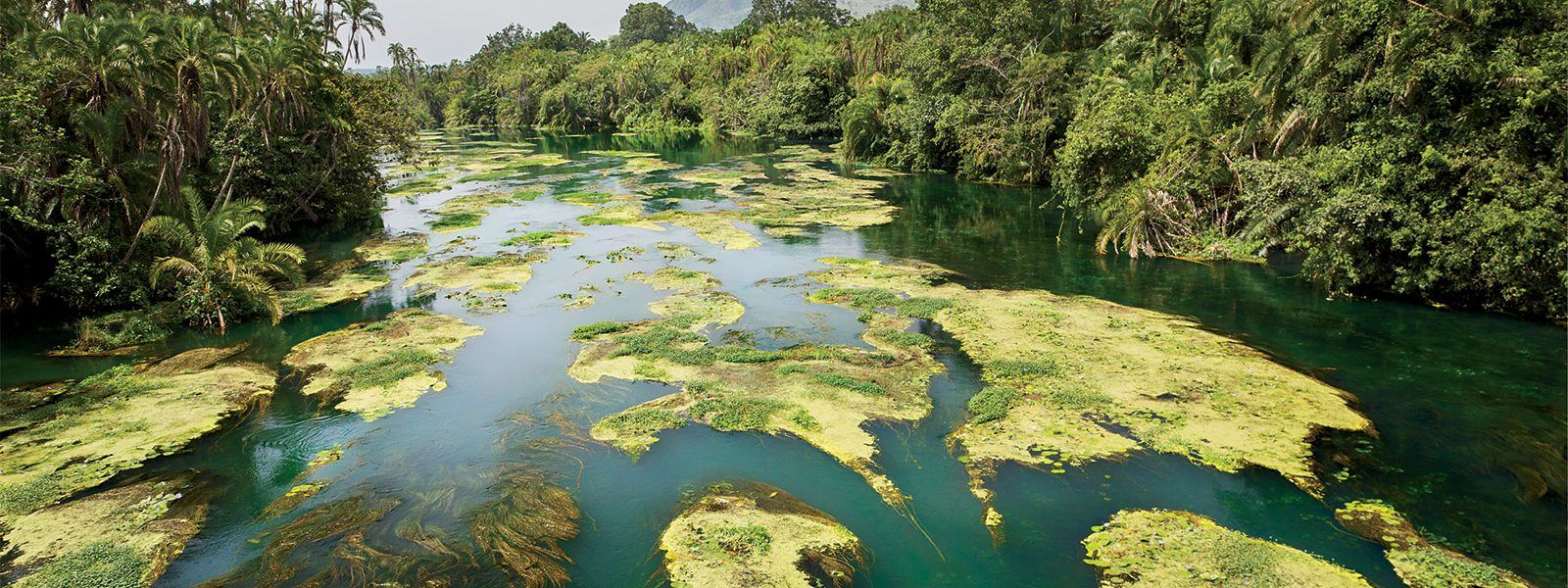
Virunga National Park is Africa’s oldest national park and one of its most varied. It lies in the Albertine Rift Valley in eastern DR Congo, along the borders with Uganda and Rwanda. Within one park you can trek mountain gorillas, climb an active volcano and look out over savannah, lakes and snow-capped peaks.
The park was created in 1925 as Albert National Park. It was among the first protected areas in Africa, set up to protect its rich ecosystems. Today it covers about 8,090 km² (3,120 sq mi) and stretches roughly 300 km from north to south. Moreover, it is a UNESCO World Heritage Site.
Landscapes of Virunga
Few parks cover such a range of scenery. In the north, the park climbs from the Semliki River valley, at around 2,230 ft, to 16,762 ft on the glaciers of the Rwenzori Mountains. In the south, it takes in part of the Virunga Massif, a chain of volcanoes shared by Uganda, Rwanda and DR Congo. Two of them, Mount Nyiragongo and Nyamuragira, are among the most active volcanoes in Africa.
As a result, Virunga holds a remarkable mix of habitats, from lowland forest and savannah to lava plains, swamps and alpine meadows. In fact, more than 3,000 plant and animal species have been recorded here, and over 300 of them are endemic to the Albertine Rift.
Wildlife in Virunga National Park
Mountain gorillas are the park’s best-known residents. They live in the forests on the slopes of the Mikeno volcano, in the southern sector. In addition, Virunga is home to chimpanzees, golden monkeys, baboons and many other primates.
Elsewhere, the open plains and rivers hold elephants, buffaloes, hippos and antelopes. Similarly, okapi live in the dense forests further north. Meanwhile, birders will find a long list of species, including many Albertine Rift endemics.
Things to do in Virunga National Park
- Mountain gorilla trekking: hike with rangers to spend an hour with a habituated gorilla family.
- Mount Nyiragongo hike: climb to the crater rim and spend the night above the lava lake.
- Chimpanzee trekking: follow chimps through the forest with a guide.
- Senkwekwe Centre: learn about orphaned mountain gorillas cared for by the park.
- Nature walks and birding: explore forest trails with a ranger.
- Rwenzori trekking: for serious hikers, take on the high Rwenzori Mountains in the north of the park.
Gorilla trekking in Virunga
Gorilla treks usually start from the Bukima or Mikeno area in the southern sector. First, you meet your rangers for a briefing. Then you hike into the forest until you find the family, and you spend about an hour with them. Permits are issued by the park, and the price is set by the authority and changes from time to time. Therefore, Roots will confirm the current rate when you enquire. To compare options, see our guide to gorilla permits.
Conservation in Virunga
Protecting Virunga has never been easy. For decades, a dedicated team of park rangers has guarded its gorillas and other wildlife, and many of them have lost their lives in the line of duty. As a result, your visit matters. Permit and park fees help pay for ranger patrols, community projects and wildlife care.
One example is the Senkwekwe Centre, which cares for mountain gorillas that lost their families to poaching. In addition, the park supports local jobs and clean energy projects for communities around its borders. So when you trek here, you also support people who live next to the park.
Best time to visit Virunga National Park
You can visit Virunga at any time of year. However, the drier months, from June to September and from December to February, usually bring easier trails for gorilla trekking and clearer views from Nyiragongo. In contrast, the wet seasons make forest paths muddy, though the scenery is lush and green. Either way, nights in the mountains are cool, so pack warm layers and a rain jacket.
How to get to Virunga National Park
Most travellers fly into Kigali International Airport in Rwanda. From there, you drive to Gisenyi (Rubavu) on Lake Kivu and cross the border into Goma. After that, it is roughly a two-hour drive to the gorilla trekking areas at Bukima or Mikeno.
Alternatively, if you are coming from Uganda, you can cross at the Bunagana border post in Kisoro district. From there, it is about an hour’s drive to the Bukima or Mikeno sectors.
Where to stay in Virunga
Accommodation ranges from comfortable lodges to simpler options, depending on your budget. In addition, there are areas set aside for camping. For the Nyiragongo hike, however, you sleep in basic huts on the crater rim. Either way, we will choose the best place to stay based on your route and activities.
Travel conditions in eastern DR Congo
Travel conditions in eastern DR Congo change, and the park’s operating status can change with them. For this reason, Roots checks the current situation and the park’s operating status before confirming any trip. Then we will share the latest position with you when you enquire. In addition, you can read updates on the official Virunga park website.
Tours that visit Virunga National Park
Roots offers several trips to Virunga. For a short visit, choose our 3-day Virunga gorilla trek. If you also want to climb the volcano, try our 5-day Congo gorillas and Nyiragongo hike. Alternatively, our 5-day Rwanda and Congo primate safari adds chimpanzees in Nyungwe.
To plan further, read our page on the Nyiragongo volcano hike or browse Congo’s national parks. Then simply tell us your dates, and we will build your Virunga National Park trip around them.
Not sure where to start? Chat with our safari specialists. We’ll help you find the perfect adventure.Every great journey begins with a conversation. Let’s plan yours.
Contact Us
- info@tourwithroots.com
- +256 776 83 1722
- +256 200 905 219
- Universal Apartments, Spine Road - Naalya - Kampala(U)