Gorilla Trekking Rules Before the Trek
Every trekker needs a valid gorilla permit for a specific date and park sector, and you must carry the passport you booked it with, because rangers check names at the gate. The minimum age is 15 in both Uganda and Rwanda, and there are no exceptions on the day, so plan other activities for younger children. Arrive at the park headquarters by about 7:30 am for the ranger briefing. There you’ll be assigned to a group of no more than eight visitors and one habituated gorilla family. If you’re worried about your fitness, tell your guide or driver before the groups are assigned. Rangers try to place slower walkers with a family that’s usually closer to the trailhead, although the gorillas move every day and nobody can guarantee a short walk.
The Most Important Gorilla Trekking Rule: Stay Home If Unwell
This is the rule that matters most and the one travellers are most tempted to ignore. If you have a cold, flu, a cough, a fever or a stomach bug, don’t trek. Tell the rangers at the briefing. Your permit is non-refundable in most cases, but a sick trekker can pass on an infection that could wipe out a gorilla family. Rangers have the right to turn away anyone who looks unwell. You may also be asked to wear a face mask when you’re with the gorillas, so pack a few disposable masks in your daypack.
Gorilla Trekking Rules with the Family
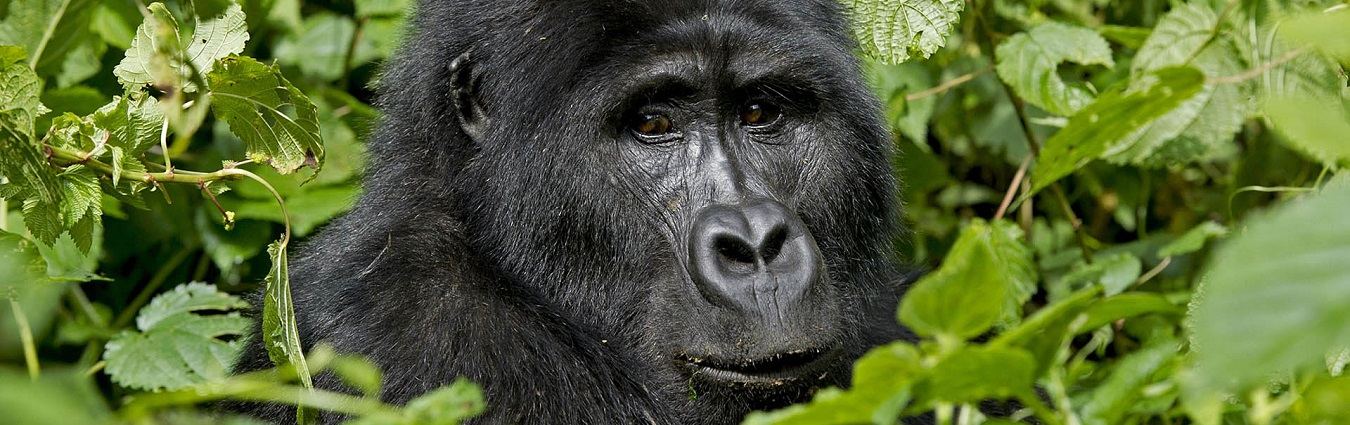
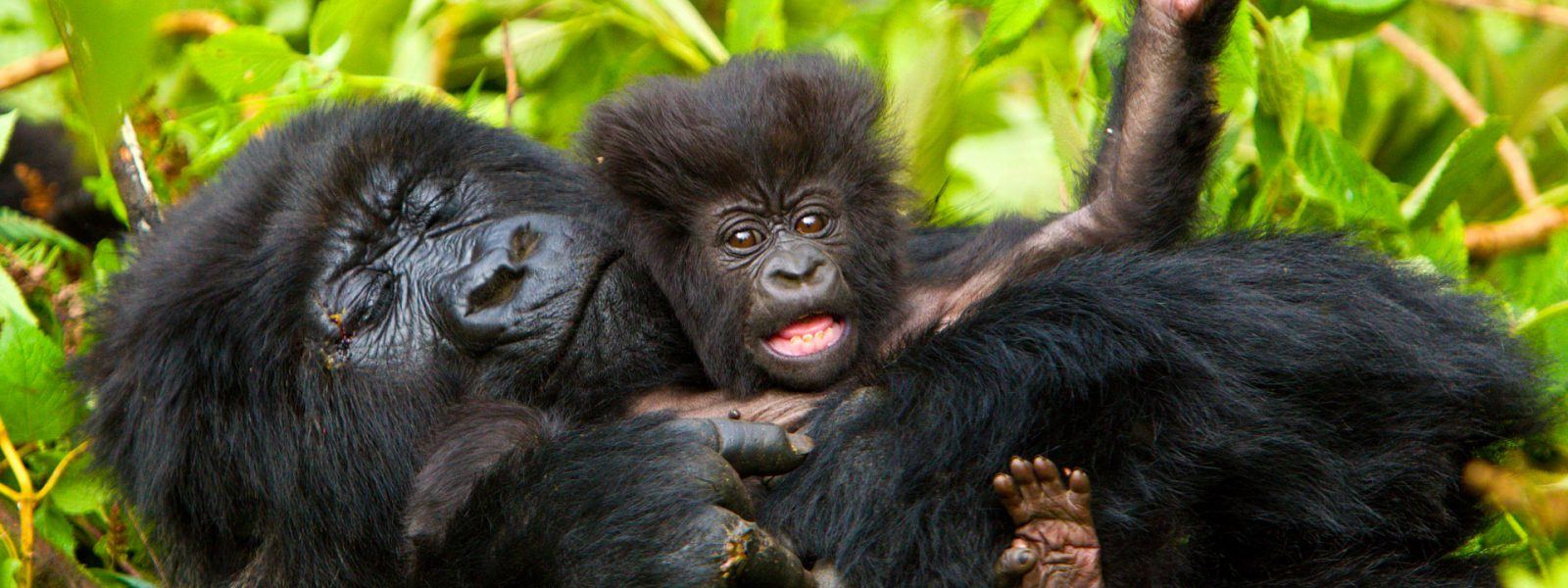
Once your trackers find the family, leave your bags, walking sticks and food with the porters a short distance away and walk the last stretch quietly. Keep at least seven metres (about 23 feet) from the gorillas. If a young gorilla wanders towards you, step back slowly rather than reaching out, because touching a gorilla is strictly forbidden. Speak in low voices and stay together as a group, so the gorillas aren’t surrounded. Turn your camera flash off, because a sudden flash can frighten them. Don’t eat, drink or smoke near the family. If you need to cough or sneeze, turn your head away and cover your nose and mouth. Your time with the gorillas is limited to one hour, and the ranger will call it, however good the moment is.
Gorilla Trekking Rules If a Gorilla Charges
Silverbacks sometimes bluff-charge to remind visitors who’s in charge. It’s alarming, but it’s almost always a display. If it happens, don’t run. Crouch down slowly, look away so you don’t make eye contact, and follow the ranger’s lead. Running or staring can turn a display into real aggression. Your guides read gorilla behaviour every day and will tell you exactly what to do.
Gorilla Trekking Rules for Leaving No Trace
Whatever you carry into the forest, you carry out, including wrappers, bottles and tissues. If you need a toilet during the trek, ask a guide. They’ll take you off the trail and dig a hole at least 30 cm deep, which they cover afterwards. Don’t pick plants or take anything from the park, and stick to the path your trackers cut so the forest floor isn’t disturbed more than necessary.
How Fit Do You Need to Be for Gorilla Trekking?
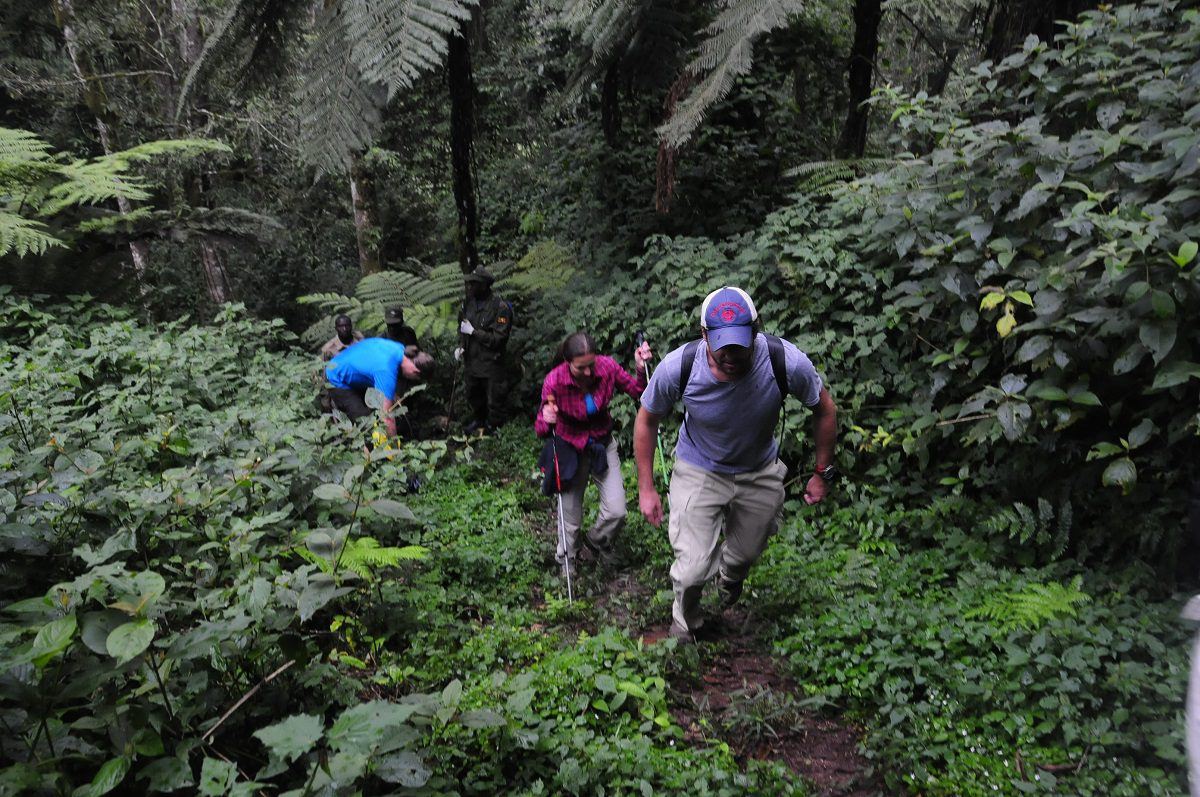
You don’t need to be an athlete, but you do need to be ready for a real hike. Bwindi Impenetrable National Park ranges from about 1,160 to over 2,600 metres above sea level. Mgahinga and Rwanda’s Volcanoes National Park sit higher still, so the air is thinner and the slopes are steep. A trek can take anything from 30 minutes to six hours or more each way, depending on where the gorillas slept the night before, and the ground is often muddy, uneven and tangled with vines. Most reasonably active people in their 60s and 70s complete the trek comfortably at their own pace. The guides set the speed to match the slowest walker, and nobody is rushed.
Training Tips for Your Gorilla Trek
Start preparing four to six weeks before you travel. Walk regularly on hills or stairs, and build up to two or three hours at a time while carrying a light daypack, because that’s closer to the real thing than time in the gym. Lunges, squats and step-ups strengthen the muscles you use on steep descents, which many trekkers find harder than the climbs. Break in your hiking boots during this time so they don’t give you blisters in the forest. If you have a heart condition, breathing problems or knee or back trouble, check with your doctor before you book and tell us. We’ll choose a sector and family that suit you.
Porters, Walking Sticks and Extra Help
At the trailhead you can hire a local porter for a modest fee. They carry your bag, give you a hand up slippery banks and push you along when your legs tire. Hiring one also supports families who live beside the park, many of whom once depended on the forest for a living, so it’s one of the easiest ways to put money into the local community. Rangers hand out walking sticks free at most starting points. Travellers with limited mobility can ask about the community-run carrying service in Bwindi and Volcanoes, where a team carries you to the gorillas on a stretcher-style chair. You need to book it in advance, and it costs extra.
What to Wear and Pack
Dress in layers: a long-sleeved shirt and long trousers protect against stinging nettles and biting ants, and tucking your trousers into your socks or wearing gaiters helps even more. Waterproof hiking boots with good grip are essential. Pack a light rain jacket, because Bwindi is a rainforest and showers come without warning. Bring gardening gloves for grabbing branches, at least two litres of water, energy snacks and a packed lunch, which your lodge will usually provide. Pack your camera in a waterproof bag, and leave flashes and drones behind. For the full list, see our guide on packing for a gorilla trek.
Plan a Gorilla Trek That Matches Your Pace
The right gorilla sector, a realistic itinerary and a guide who knows you can make the difference between an exhausting slog and a day you’ll talk about for years. Our guide to the best season for a gorilla trek can also help you choose your dates. Tell us about your fitness and travel dates, and we’ll recommend the park, sector and lodge that suit you best, and secure your permit before they sell out.