Maasai Mara National Reserve
Home » Destinations » Kenya » Maasai Mara National Reserve
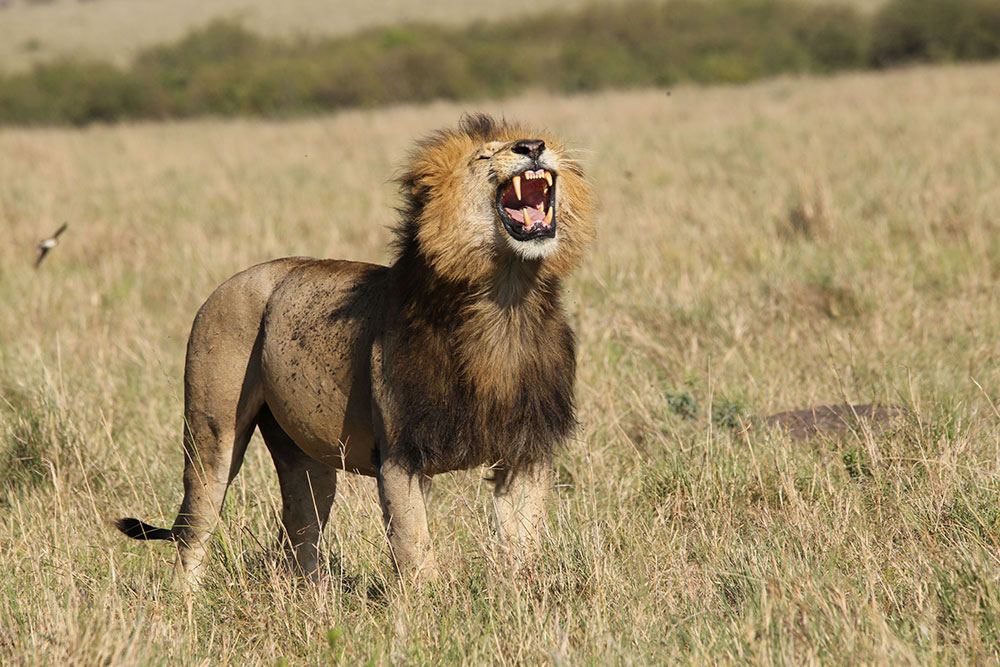
The Maasai Mara National Reserve is Kenya’s most famous wildlife area and one of the best places on Earth to see big cats. The first thing you notice is the space. Golden grassland rolls to the horizon, broken only by flat-topped acacias, winding rivers and the odd rocky ridge. Then you notice the life. A pride of lions sprawls on a termite mound, a cheetah scans the plains from a fallen tree, and elephants move slowly through the long grass. If you come at the right time, a river of wildebeest stretches as far as you can see.
The reserve, often spelled Masai Mara, covers around 1,510 square kilometres in southwestern Kenya. In fact, it forms the northern part of the vast Serengeti–Mara ecosystem, which stretches across the border into Tanzania. Every year, more than a million wildebeest move between the two countries in search of fresh grass. Hundreds of thousands of zebras and gazelles travel with them in the Great Migration. Their crossings of the Mara River are among the most dramatic sights in the natural world.
However, the Mara is extraordinary all year round, not just during the migration. Its open plains support one of the highest concentrations of lions in Africa. In addition, community conservancies owned by Maasai families surround the reserve. There, you can walk, take night drives and enjoy quiet sightings away from the crowds.
History of the Maasai Mara National Reserve
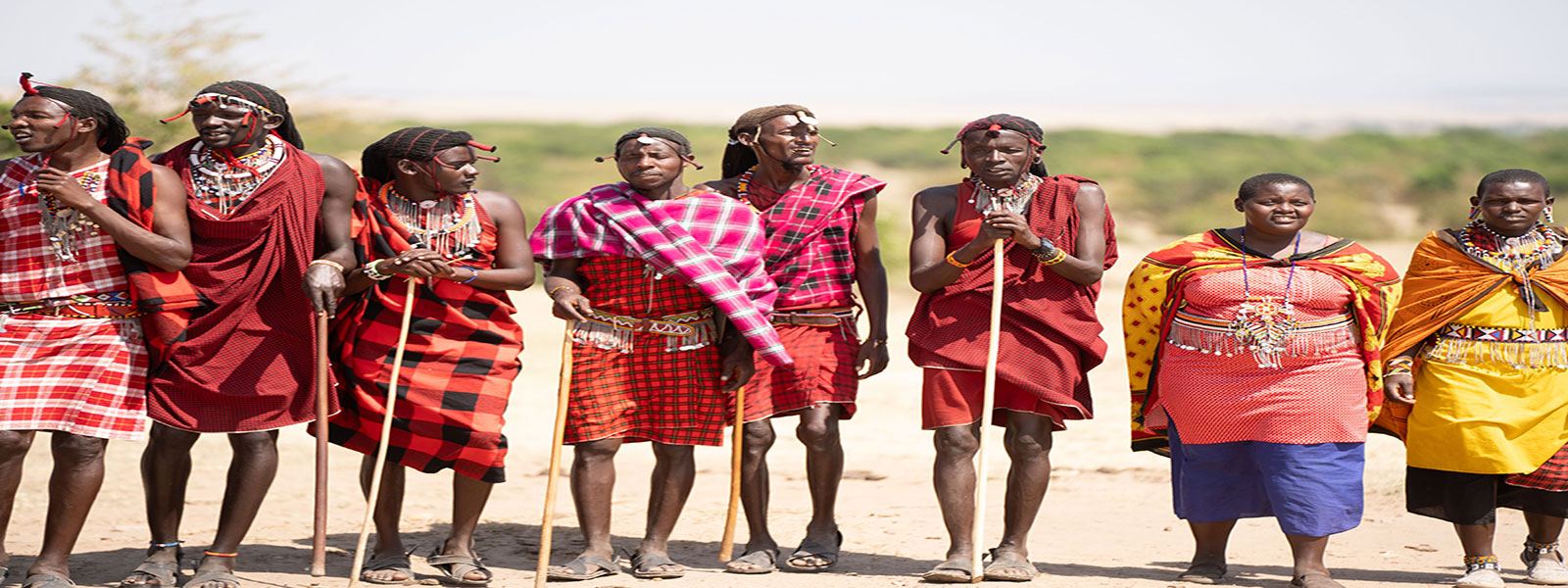
For centuries, the Mara has been home to the Maasai. These pastoralists moved with their cattle across the plains and lived alongside wildlife. Traditionally, the Maasai did not hunt wild animals for food, so their way of life helped keep the ecosystem intact. Their name, and their word for the spotted landscape, gave the reserve its name.
In 1961, the area was protected as a wildlife sanctuary. Over the following years, it was expanded and given the status of a national reserve. Unlike Kenya’s national parks, which are run by the Kenya Wildlife Service, the Mara is managed by the local county government. As a result, tourism income flows directly to the county and its communities. Since 2001, the western section, known as the Mara Triangle, has been run by the Mara Conservancy, a not-for-profit organisation.
Later, the Mara became famous worldwide through wildlife films. The long-running BBC series Big Cat Diary, for example, followed individual lions, leopards and cheetahs, including the Marsh Pride near Musiara. Famous animals since then include the lion known as Scarface, the cheetah Malaika and Tano Bora, a coalition of five male cheetahs whose shared hunts became legendary.
From the early 2000s, Maasai landowners also began joining their land into wildlife conservancies. They lease it to safari camps in return for a regular income. Today, these conservancies cover a large area around the reserve. They double the space for wildlife and support thousands of Maasai families. It is one of the most important conservation success stories in Africa.
Wildlife in the Maasai Mara reserve
The open plains make wildlife easy to see, and big cat sightings are frequent. Lions are the stars of the show. Cheetahs hunt in daylight on the short grass, while leopards hide in the trees and thickets along the rivers. Spotted hyenas, jackals and bat-eared foxes complete the cast of predators.
Meanwhile, huge herds of plains game keep the predators busy. You can expect elephants, buffaloes, giraffes, zebras, topi, impalas, Thomson’s and Grant’s gazelles and eland. Hippos and Nile crocodiles crowd the Mara and Talek rivers. On top of that, more than 450 bird species have been recorded here, from ostriches and secretary birds to lilac-breasted rollers and vultures.
The Great Migration in the Mara
The Great Migration is a year-round circle of movement through the Serengeti–Mara ecosystem. Generally, the herds arrive in the Mara between July and October. During these months, you can watch the famous river crossings, when wildebeest and zebras plunge into the Mara River while crocodiles wait below. Predator action is excellent at this time too.
That said, nobody can promise the exact date of a crossing. The herds follow the rain and the grass, so timing shifts from year to year. Therefore, we suggest at least two full days in the reserve if a crossing is your dream. A full-day drive with a picnic lunch gives you the best chance to wait at the river.
Things to do in the Maasai Mara National Reserve
Game drives
Game drives are the heart of any Mara safari. Morning drives start at sunrise, and afternoon drives head out as the heat eases. Full-day drives with a picnic lunch, on the other hand, let you reach distant areas and wait for river crossings.
Hot-air balloon safari
Float silently over the plains at sunrise and watch herds and predators below. Afterwards, you enjoy a champagne bush breakfast where you land. Flights depend on the weather, so book them in advance.
Walking and horseback safaris
In the conservancies, you can walk with Maasai guides and rangers. They show you tracks, plants, insects and the smaller details of the bush. Similarly, experienced riders can explore some conservancies and bordering areas on horseback, among zebras, giraffes and wildebeest.
Photography safaris
The soft light, open views and constant action make the Mara one of the world’s best photography destinations. Your guide will position the vehicle for the light and give you time to wait for the shot.
Maasai cultural visits
Many safaris also include a visit to a Maasai village. Here, you learn about homes, traditions and daily life, and you can buy beadwork directly from its makers.
Best time to visit the Mara
The reserve is open year-round and offers excellent wildlife in every season. Daytime temperatures are pleasant, usually around 25°C to 28°C, with cool mornings and evenings.
- July to October (migration season): the Great Migration and river crossings, excellent predator action and dry weather. This is also the busiest and most expensive period.
- November to June: resident lions, cheetahs and leopards stay all year. As a result, game viewing remains rewarding, with fewer vehicles and greener scenery. The heaviest rain usually falls around April and May.
Whenever you travel, pack layers for chilly early drives and a warm jacket for evenings around the fire.
How to get to the Maasai Mara National Reserve
The Mara lies about 270 km west of Nairobi. The usual route first descends into the Great Rift Valley, with a stop at a viewpoint over the valley floor. It then continues through the town of Narok to Sekenani Gate. The drive takes around five to six hours. Most of the road is tarmac, although the last section is rougher, depending on your route and camp. Roots Tours & Travel provides comfortable 4×4 safari vehicles with pop-up roofs.
Alternatively, you can fly. Scheduled flights from Nairobi’s Wilson Airport and Jomo Kenyatta International Airport reach airstrips across the Mara in around 45 minutes to an hour. They often stop at several airstrips on the way. Flights also link the Mara with Amboseli, Samburu, Lake Naivasha and the coast. Flying saves a long day on the road, so it is ideal on shorter trips.
Plan your Mara safari with Roots
The Mara fits into almost any Kenya itinerary. For a short break from Nairobi, our three-day Masai Mara wildlife safari is a great choice. If you have more time, the 6 Days Magical Kenya Safari combines the Mara with Amboseli and Lake Nakuru. Likewise, the 9 Days Explore Kenya Safari adds Samburu, Ol Pejeta and Lake Naivasha.
You can also cross the border and pair the Mara with the Serengeti in Tanzania. To compare other parks, see our guide to Kenya’s national parks and reserves. Then tell us your dates, and we will send you a free, tailor-made itinerary.
Not sure where to start? Chat with our safari specialists. We’ll help you find the perfect adventure.Every great journey begins with a conversation. Let’s plan yours.
Contact Us
- info@tourwithroots.com
- +256 776 83 1722
- +256 200 905 219
- Universal Apartments, Spine Road - Naalya - Kampala(U)