
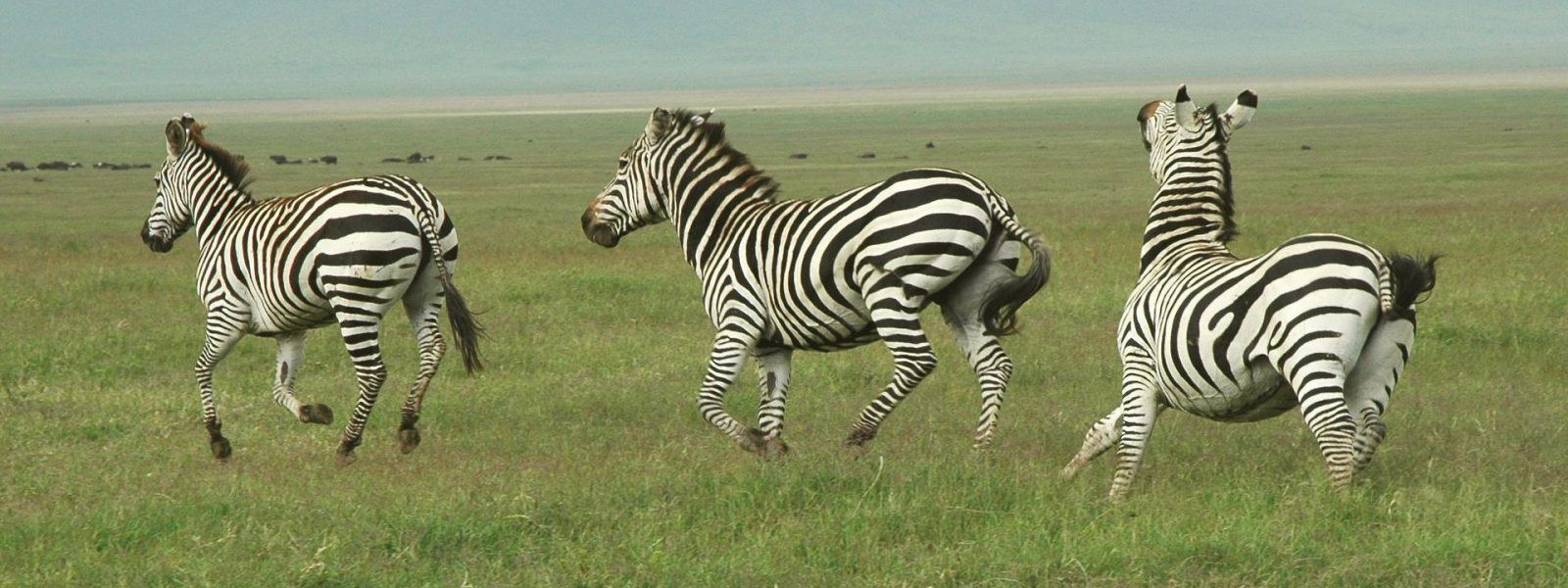
Our 7 day Tanzania safari takes you to the great parks of the Northern Circuit. You start at Lake Manyara, then spend time on the vast plains of Serengeti National Park. Next, you explore the Ngorongoro Crater, which is packed with wildlife. Finally, you finish among the elephants and baobabs of Tarangire National Park.
Each park feels different. Lake Manyara is a shallow soda lake on the edge of the Great Rift Valley, and it is famous for tree-climbing lions. The Ngorongoro Conservation Area has one of the highest densities of mammals in Tanzania, along with many predators. Meanwhile, Tarangire is known for its large elephant herds. As a result, this 7 day Tanzania safari gives you a rich mix of scenery and game.
7 day Tanzania safari highlights
- Lake Manyara, with its lions, hippos and, in season, pink flamingos.
- Game drives in the central Serengeti, around the Seronera River and the Maasai Kopjes.
- A sunrise hot-air balloon flight over the Serengeti plains.
- A full day in the Ngorongoro Crater, one of the few places where you may see black rhinos.
- Tarangire, with baobab trees, big elephant herds and rare species such as the greater kudu and fringe-eared oryx.
Day-by-day itinerary
Day 1: Arusha to Lake Manyara
We pick you up from the airport or your hotel in Arusha. Then we drive to Lake Manyara National Park, which is popular for its pink flamingos, tree-climbing lions and plentiful wildlife.
On arrival, you check in. You can take a short game drive or simply relax at the lodge. After lunch, you head back into the park to enjoy its scenery and spend time with lions, antelopes, hippos and zebras. During flamingo season, Lake Manyara is a superb place to watch flamingos feed on algae along the shore. Later, you return to your lodge for dinner and the night.
Day 2: Lake Manyara to Serengeti National Park
After breakfast, you set off for the Serengeti, the most famous park in Tanzania. The journey covers about 205 km. On the way, you pass the high farmlands of Karatu and cross the Ngorongoro Conservation Area.
Then you descend onto the rolling Serengeti plains, which stretch as far as the eye can see. You head to the Seronera area in the centre of the park. It is one of the best wildlife areas, and the Seronera River draws many animals.
You check in at the lodge in time for lunch and a rest. In the afternoon, you go on a game drive to meet some of the park’s residents before sunset.
Day 3: Explore the Serengeti plains
The day can begin with a sunrise hot-air balloon flight. It is a wonderful way to see the Serengeti, with its wildlife, winding rivers and scattered villages below you.
After breakfast, you go on another game drive along the Sogore River circuit. This river winds through the plains south of the Seronera River. As a result, it is a perfect habitat for lions, Thomson’s gazelles, ostriches, topi and cheetahs.
After lunch at the lodge, you follow the kopjes circuit around the Maasai Kopjes. These rocky outcrops shelter large lion prides. In addition, their rock pools attract many animals, especially in the dry season. Therefore, they are a great spot for game viewing.
Day 4: Serengeti National Park to Ngorongoro Crater
After an early breakfast, you drive out of the Serengeti towards the Ngorongoro Conservation Area. The journey takes about 4–5 hours. This area is often called “Africa’s Garden of Eden”.
On arrival, you have lunch. Then you set off on a long safari in the area around the crater lake. Here you can see rare and endangered species, including members of the Big Five, other predators and many birds. On top of that, the scenery is outstanding.
Day 5: Ngorongoro Crater exploration
After a warm breakfast, you descend about 600 m into the crater for a full day of game drives. More than 30,000 animals live in the Ngorongoro Crater. As a result, it is one of the richest wildlife areas in the world. It is also a refuge for some of East Africa’s last black rhinos.
Because the crater has water and grass all year, its wildlife stays put. Residents include zebras, warthogs, eland, hippos, elephants and buffaloes. In addition, you may see predators such as cheetahs, lions, leopards, jackals and hyenas. Between about June and September, the great wildebeest migration moves from the Serengeti towards Kenya’s Maasai Mara.
Day 6: Ngorongoro Crater to Tarangire National Park
After breakfast, you drive for about 3.5 hours to Tarangire National Park, following the Tarangire River. The area is made up of low hills on the floor of the Great Rift Valley.
Acacia woodland, large swamps and giant baobab trees shape the landscape. In fact, they draw huge numbers of animals, especially in the dry season.
You enjoy a picnic lunch and then head straight out on a game drive. Besides the common sightings, Tarangire is home to three special species: the greater kudu, the fringe-eared oryx and the ashy starling. Later, you return to the lodge for dinner and the night.
Day 7: Tarangire National Park to Arusha
You start the day with a game drive before breakfast. At this time, you may meet night hunters such as leopards, lions, hyenas, jackals and owls. Then you return to the lodge for a hearty breakfast and check out.
Next, you drive for about 2 hours to Arusha. You arrive in time for lunch and some shopping. Finally, depending on your flight time, we drop you at the airport for your departure.
Who this safari suits
This trip suits first-time visitors to East Africa who want classic big game. It also works well for couples, families and photographers. In addition, the days are spent in a safari vehicle rather than on long hikes, so you do not need a high level of fitness. However, some drives between parks take several hours, so expect a few long road days.
Best time to go
You can enjoy this route all year. The long dry season, from about June to October, usually brings the easiest game viewing, because animals gather near water. Moreover, Tarangire is at its best in the dry months, when elephants crowd along the river. On the other hand, the green season brings lush scenery, newborn animals and fewer vehicles. Wildlife in the Ngorongoro Crater stays rich all year, since it has a steady supply of water and grass.
Tips for your trip
A little planning helps you get the most from your days on the road. Here are a few tips from our guides:
- Pack layers. Mornings on the crater rim can feel cold, while afternoons on the plains are warm.
- Bring binoculars. They help you spot cats in trees and birds by the lakes.
- Wear neutral colours. Khaki, green and brown suit game drives best.
- Carry sun protection. A hat, sunscreen and sunglasses are essential.
- Bring spare batteries. You will take more photos than you expect.
Most of these parks are managed by Tanzania National Parks, which sets the entry fees. Since fees change from time to time, we will confirm the current rates when you enquire.
Extend or shorten your Tanzania safari
If you have less time, our 6 day Northern Circuit wildlife safari visits the same four parks in a shorter loop. Alternatively, the 3 day Serengeti and Ngorongoro trip is ideal for a quick getaway. You can also read more about parks across Tanzania to plan a longer journey.
Every trip with Roots Tours & Travel is tailor-made. So, just tell us your dates, group size and interests. Then we will send you a clear itinerary for free. Get in touch today to start planning.
Not sure where to start? Chat with our safari specialists. We’ll help you find the perfect adventure.Every great journey begins with a conversation. Let’s plan yours.
Contact Us
- info@tourwithroots.com
- +256 776 83 1722
- +256 200 905 219
- Universal Apartments, Spine Road - Naalya - Kampala(U)