
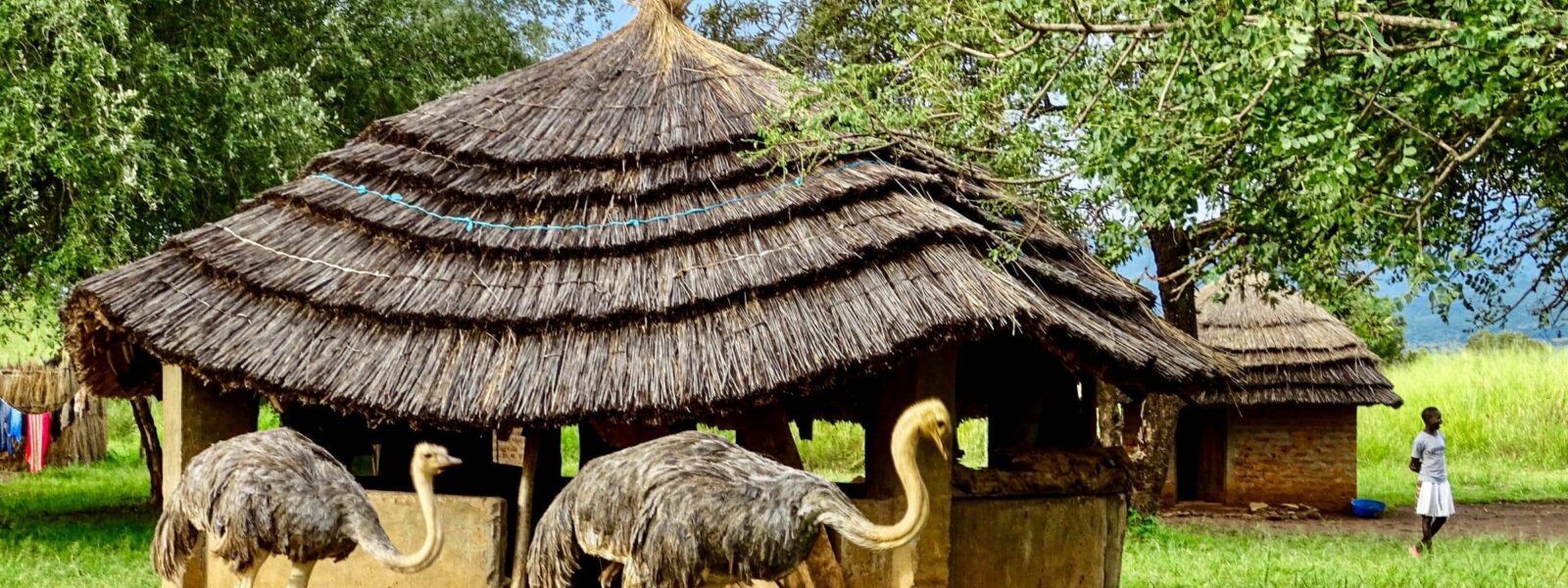
Uganda’s national parks get most of the attention, yet the country’s game reserves hide some of its best surprises. The game reserves in Uganda protect elephants, antelopes, primates and hundreds of bird species, often with very few other visitors around. In this guide, you will discover the main reserves by region, what you can see in each, and how to add one to your Uganda wildlife safari.
What Are the Game Reserves in Uganda?
A wildlife reserve is a protected area managed by the Uganda Wildlife Authority. Many reserves act as buffer zones beside the national parks. As a result, they give animals more room to move between habitats. Facilities are usually simpler than in the big parks. However, that also means quieter trails and a more personal safari.
Game Reserves in Western Uganda
To begin with, western Uganda has the largest cluster of game reserves in Uganda. Most of them lie close to the Albertine Rift and the famous parks of the region.
Kyambura Wildlife Reserve
Kyambura lies in the north-east of Queen Elizabeth National Park, close to the Kazinga Channel. Above all, it is known for chimpanzee trekking in the Kyambura Gorge. Because the reserve is so close to the channel, you can often watch animals coming down to drink. In addition, you can look for falcons and many other birds. Guided nature walks are the best way to explore.
Kigezi Wildlife Reserve
Next, Kigezi sits in Rukungiri District, near the Maramagambo Forest and Queen Elizabeth National Park. It helps protect elephants that move between the park and DR Congo. Apart from elephants, you can see kobs, buffaloes, bushbucks and many bird species. There are no lodges inside the reserve, so campers should come ready to pitch a tent. The drive from Kampala via Masaka, Mbarara and Ntungamo takes about five hours.
Toro-Semliki Wildlife Reserve
Toro-Semliki has been protected since 1926, which makes it Uganda’s oldest protected area. It lies in Kabarole and Ntoroko districts, near Fort Portal and the border with the Democratic Republic of Congo. While you are there, you can take a boat ride on Lake Albert, hike the Nyaburogo Gorge or join a guided primate walk of about four hours.
The reserve is also a birding hotspot, with about 400 species recorded. In fact, the shoebill is one of its star birds. Wildlife includes elephants, buffaloes, Uganda kobs, waterbucks and warthogs. By road, the trip from Kampala via Mubende and Fort Portal takes about four hours. Alternatively, a flight from Kajjansi airfield takes about 40 minutes.
Katonga Wildlife Reserve
Katonga lies along the banks of the Katonga River. As a result, the river creates lovely wetland scenery for both wildlife and local communities. In total, the reserve provides a home for about 40 mammal species, including elephants, reedbucks, Uganda kobs, waterbucks and river otters. Since the road network is poor, you explore mostly on foot or by canoe. That makes it a great choice for active travellers.
Kabwoya Wildlife Reserve
Kabwoya covers 87 square kilometres of the Albertine Rift Valley, near Lake Albert. It lies between Murchison Falls National Park and Kibale. Today, fishing for Nile perch is a popular activity here. In addition, the reserve has few large predators, so guided hikes and nature walks feel relaxed. You can also try mountain biking, quad biking and fossil hunting, which families tend to love. Birders will enjoy it too, as the reserve lists about 460 bird species.
Game Reserves in Uganda Near Murchison Falls
Several reserves surround Murchison Falls National Park. Together, they form a large protected landscape in the north-west.
Bugungu Wildlife Reserve
Bugungu lies between Buliisa and Masindi districts at the bottom of the rift valley. It covers 473 square kilometres on the western side of Murchison Falls. The reserve was set up in 1968 to protect savannah grassland. Today, it is home to Uganda kobs, oribis and about 240 bird species. You may also see hippos, warthogs, bushbucks, patas monkeys and black-and-white colobus. Activities include game drives, nature walks, birding, camping and picnics.
Karuma Wildlife Reserve
Karuma lies in Kiryandongo District on the Masindi–Gulu highway. Overall, it covers about 820 square kilometres and was set up in 1964 as a buffer zone for Murchison Falls. Still, its greatest feature is Karuma Falls on the Victoria Nile. On nature walks, you can watch olive baboons and black-and-white colobus monkeys. Meanwhile, birders can look for kingfishers, swamp flycatchers and sunbirds.
East Madi Wildlife Reserve
East Madi lies north of Murchison Falls in north-western Uganda. It is a habitat for about 50 mammal species, 181 bird species and 374 plant species. As a result, nature walks here are rich in plant life. You can also enjoy wildlife viewing and birding. Look out for blue monkeys, colobus monkeys and red-tailed monkeys.
Ajai Wildlife Reserve
Ajai lies on the Albertine Nile in Arua District, in the north-west. It covers 166 square kilometres and takes its name from a local chief called Ajai. The drive from Kampala takes 6–7 hours, while a flight to Arua takes about 40 minutes. Birding is the must-do activity here. For example, you can see marabou storks, African fish eagles and grey crowned cranes. Game drives and nature walks may also reveal Uganda kobs, warthogs, hippos, crocodiles, waterbucks and olive baboons. The best time to visit is during the dry seasons, from December to March and June to October.
Karamoja: Remote Game Reserves in Uganda
The north-east is wild, remote and rich in culture. Its reserves suit travellers who want to explore far from the usual routes, often on the way to Kidepo Valley National Park.
Pian Upe Wildlife Reserve
Pian Upe is one of Uganda’s largest protected areas. Its name is said to mean “friendly enemy”. Specifically, it lies in Nakapiripirit District, framed by Mount Elgon to the south, Mount Kadam to the north-east and Mount Napak to the west. On top of that, the reserve has hot springs and the Napedet cave, an old hunting shelter. Activities include climbing Mount Kadam, nature walks, wildlife safaris, community walks and birding.
Bokora Corridor Wildlife Reserve
Further north, Bokora covers 2,056 square kilometres and takes its name from the Bokora people. Wildlife here includes topis, oribis, elands, Uganda kobs and roan antelopes. In addition, birders can visit the Loporocho swamp for species such as the ostrich and the dusky turtle dove. Hikes on Mount Kadam and nature walks are also on offer.
Matheniko Wildlife Reserve
Finally, Matheniko lies in the Karamoja region of eastern Uganda. Despite the pressures it faces, it still protects lesser kudu, roan antelopes, Bright’s gazelles and ostriches. Activities include:
- birding
- nature walks
- community and cultural walks
- mountain and rock climbing
- game drives
How to Add Game Reserves in Uganda to Your Safari
In practice, most travellers visit the game reserves in Uganda as part of a wider trip. For example, Kyambura fits easily into a Queen Elizabeth safari. Similarly, Bugungu and Karuma sit on the road to Murchison Falls. Bird lovers can also read our guide to birding in Uganda for more ideas. For every safari you take in Uganda, try to include one or two wildlife reserves.
Explore the Game Reserves in Uganda with Roots
Would you like to explore the quieter side of Uganda? Roots Tours & Travel plans tailor-made safaris from our base in Kampala. Tell us which reserves and parks interest you, along with your dates and budget. Then we will design a route that fits you and send you a free itinerary. Contact our team to start planning today.